Governor races in ten states hinge on cost of living and war fatigue
Voters in key states weigh high prices and the Iran conflict as Democrats seek a historic majority of governorships.
By Owen Turner ·
Across ten critical states, voters are heading to the polls on Tuesday to decide who will lead their state governments in the final two years of President Donald Trump's second term. The Associated Press describes the election as a referendum on the administration, with citizens struggling with high prices and anger over an unpopular war with Iran. These governor races are not merely local contests; they are a primary mechanism for Democrats to regain control of statehouses. Republicans have held a nationwide majority of governorships since 2010, but Democrats need a net gain of two seats to flip that balance.
In Georgia, the race pits Republican health care executive Rick Jackson against Democratic former Atlanta Mayor Keisha Lance Bottoms. The state voted for Trump in 2024, but the contest is viewed as a test of Democratic resilience in a traditionally red-leaning environment. Meanwhile, in Arizona, Democratic Governor Katie Hobbs faces a challenge from a Republican opponent in a state where the cost of living has become a central campaign issue. Both races are part of a broader effort by Democrats to defend their hold on governorships in states that Trump won in 2024.
Michigan offers another key test, with Democrats seeking to retain the governorship in a state that voted for Trump by a narrow margin in 2024. The Associated Press notes that economic strain and tariffs have made several states more competitive than they were in previous cycles. In Pennsylvania, Democratic Governor Josh Shapiro is defending his seat in a state that has become increasingly pivotal in national politics. The outcome in Pennsylvania could signal whether Democrats can maintain their foothold in the Rust Belt, a region that has seen significant shifts in voting patterns over the last decade.
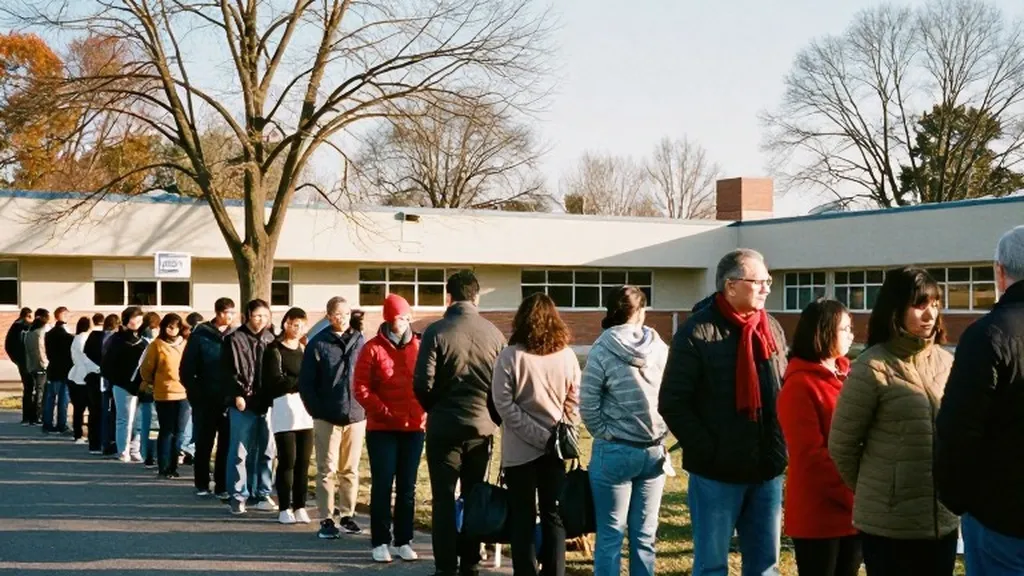
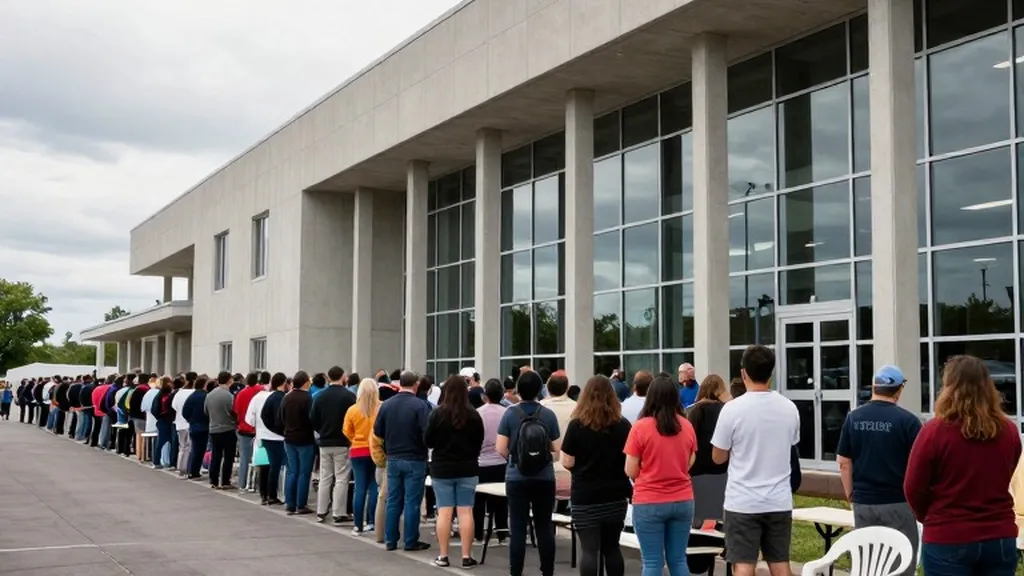
Wisconsin, a state that has frequently served as a bellwether for national trends, is also on the ballot. Democrats are defending their governorship there, relying on the same themes of economic relief and oversight that have driven their national strategy. The Associated Press reports that more than 57 million people had already voted as of Monday, surpassing early vote totals from four years ago in many closely watched states. This high level of early participation suggests that voters are highly engaged with the issues of the day, particularly the cost of living and the administration's handling of foreign policy.
In the Mountain West, Nevada presents a unique challenge for Democrats. Republican Governor Joe Lombardo is facing Democratic Attorney General Aaron Ford in a race that could determine the balance of power in a state with a growing population. The Associated Press notes that Republicans were bracing to lose the House and fighting to hold the Senate, but the governor races offer Democrats a chance to build momentum. In Kansas, a state that has become central to the fight for Senate control, the governor's race is also being watched closely. The state voted heavily for Trump in 2024, but the race remains competitive due to the high cost of living.
New Hampshire and Vermont offer contrasting scenarios for Democrats. In New Hampshire, Republican Governor Kelly Ayotte is defending her seat in a state that voted for Kamala Harris in 2024. The Associated Press notes that the state has become more competitive due to economic concerns. In Vermont, Republican Governor Phil Scott is facing a challenge in a state that has traditionally leaned Democratic. These races highlight the complexity of the 2026 election, where party affiliation and presidential approval ratings do not always predict the outcome of down-ballot contests.
The Associated Press reports that the 2026 elections are likely to be the most expensive in history. Republican committees outraised and outspent Democratic committees at the committee level, helped by Trump-affiliated groups and Elon Musk. However, at the candidate level, Democrats outraised their opponents. This financial dynamic is playing out in the governor races, where both parties are spending heavily to reach voters. The Associated Press analysis of ad spending data shows that 88.1% of Republican general election TV ad spending went to states and districts Trump won in 2024, indicating a heavy focus on defending their base.
Voters in these states are also weighing the impact of the administration's handling of the Iran war. The Associated Press notes that about 7 in 10 Americans say the country is heading in the wrong direction, and most blame the president for high prices. This sentiment is driving voter turnout in the governor races, as citizens seek leaders who can address their daily economic concerns. The Associated Press reports that Democrats were cautiously optimistic about their chances, while Republicans were focused on turnout. RNC Chairman Joe Gruters stated that everything depends on turnout, while DCCC Chair Rep. Suzan DelBene said the American people are angry and want change.
In Ohio, the governor's race features Republican Vivek Ramaswamy against Democrat Amy Acton. The Associated Press notes that Ramaswamy's campaign faced backlash over an ad featuring Acton's estranged mother, highlighting the personal nature of some of these contests. In all these states, the outcome of the governor races will influence the balance of power in state legislatures, which in turn will affect the redistricting process for future elections. The Associated Press notes that six states are using new congressional maps after mid-decade redistricting, and the governor races in these states could have long-term implications for the political landscape.