House Control Would Trigger 100-Day Jeffries Agenda and 2028 Boost
Democratic leaders are positioning a House win as the trigger for immediate oversight and a cost-of-living plan, while Republicans rely on new maps to hold the Senate.
By Javier Cabrera ·
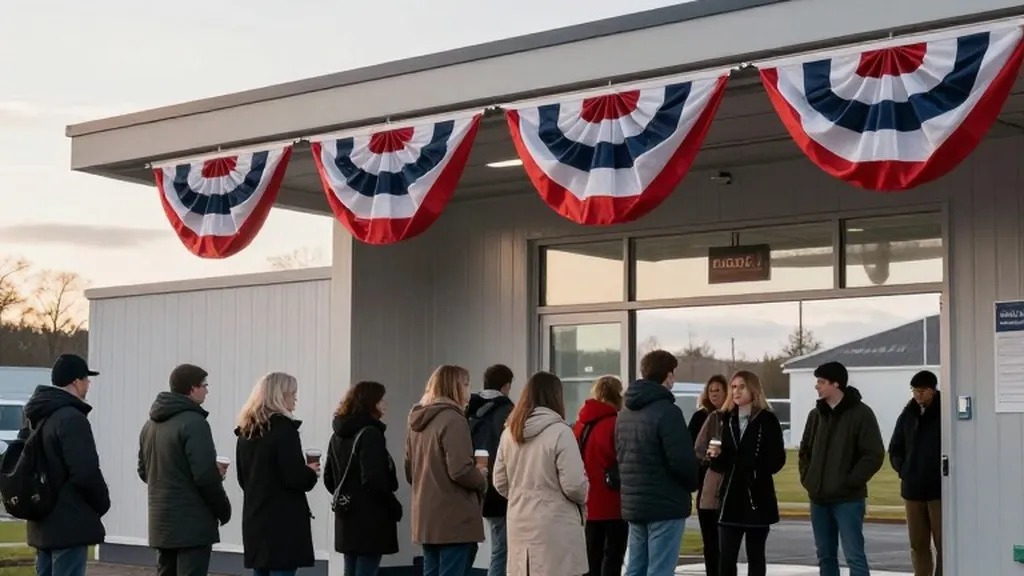
As polls open across the country on Tuesday, the central question for Democrats is what a House majority would mean in the final two years of President Donald Trump's second term. With all 435 House seats up for grabs, the party currently holds 214 seats and needs a net gain of three districts to reclaim the majority, according to Ballotpedia. Republicans hold 218 seats and can afford to lose no more than two. This narrow margin has made the 46 battleground districts identified by Ballotpedia the focal point of the national campaign, with 25 of those districts currently held by Democrats and 21 by Republicans.
House Democratic Leader Hakeem Jeffries, who would become the first Black speaker if his party wins, has outlined a specific 100-day agenda centered on the cost of living and administrative oversight. The Associated Press reports that voters are struggling with high prices and are angry over an unpopular war with Iran. Jeffries' plan would prioritize investigations into the administration's conduct and potential impeachment proceedings, a path that becomes likely if Democrats win even one chamber of Congress. This agenda is designed to address the concerns of voters like James Moore, a librarian in Raleigh, North Carolina, who told the Associated Press that he is paying more for taxes, health care, and everything else.
The Senate race presents a different set of challenges for Democrats, who need a net gain of four seats to take control. Republicans currently hold 53 seats, and Democrats need to flip enough of the 20 Republican-held seats up for election to shift the balance. Ballotpedia notes that 11 senators are not running again, including seven Republicans and four Democrats. In key states like Kansas and Iowa, which were previously considered safe Republican territory, the races have become competitive. The Associated Press highlights that the AP-NORC polling shows 35 percent of U.S. adults approve of Trump's job performance, while about 7 in 10 say the country is heading in the wrong direction, a sentiment that could drive turnout in these critical Senate races.
Redistricting plays a significant role in the 2026 landscape, with six states using new congressional maps after mid-decade changes. California, Florida, Missouri, North Carolina, Tennessee, and Texas are all using new maps, along with Ohio. Republicans attempted to leverage these new districts to beat the historical midterm pattern where a president's party typically loses seats. However, the Associated Press notes that new districts in Florida and elsewhere may not vote as they were drawn, adding uncertainty to the Republican strategy. The party's advantage in fundraising is substantial, with Republican committees outraising and outspending Democratic committees, helped by Trump-affiliated groups and Elon Musk.
Money dynamics show a complex picture, as 88.1 percent of Republican general election TV ad spending went to states and districts Trump won in 2024. According to an Associated Press analysis of AdImpact data, more than $850 million was spent in areas where he won by 10 points or more. At the candidate level, however, Democrats outraised their opponents, suggesting a different strategy for ground-level competition. The 2026 elections are likely to be the most expensive in history, reflecting the high stakes of control over the final two years of the current administration.
Governor races in 36 states will also shape the political landscape, with Democrats defending five governorships in states Trump won in 2024. These include Arizona, Kansas, Michigan, Pennsylvania, and Wisconsin. Republicans are defending two governorships in states that Kamala Harris won, specifically New Hampshire and Vermont. The Associated Press identifies Georgia, Nevada, and Ohio as key battlegrounds, with named matchups including Republican Rick Jackson versus Democratic Keisha Lance Bottoms in Georgia. A Democratic victory in the governorships would mark the first time in two decades that the party holds a nationwide majority, a milestone that could bolster the 2028 prospects of figures like Gavin Newsom and JB Pritzker.
The mood among Democrats is described as cautiously optimistic, while Republicans are bracing to lose the House and fighting to hold the Senate. The Associated Press reports that one or two seats could tip either chamber, making every vote count in the final hours. Trump has held dozens of rallies to boost his candidates, ending in Salina, Kansas, where he urged voters to pretend he is on the ballot. His administration has also been active in election administration, filing lawsuits in Alaska and California and threatening to prosecute local election officials, which has raised fears of interference among Democrats.
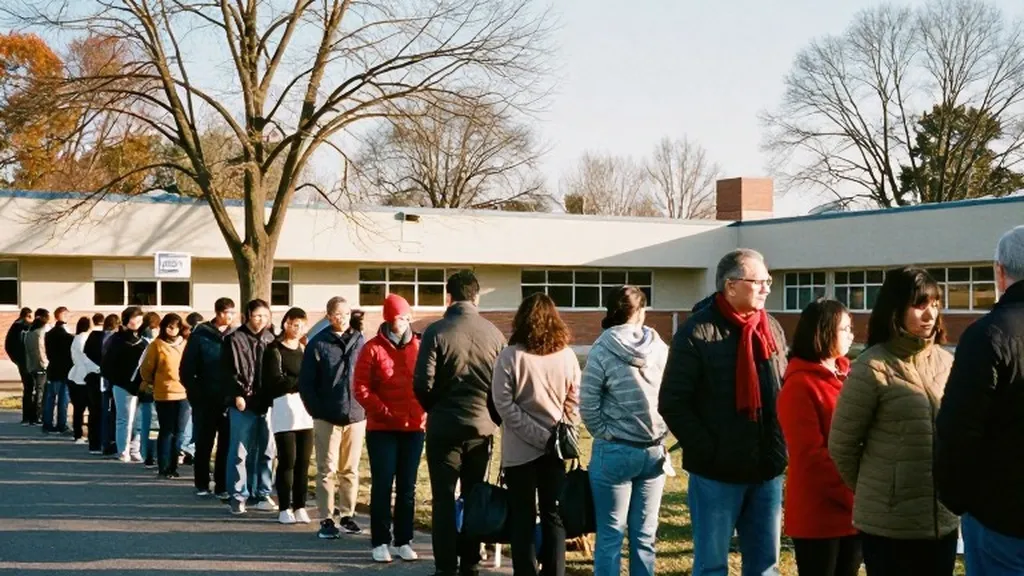
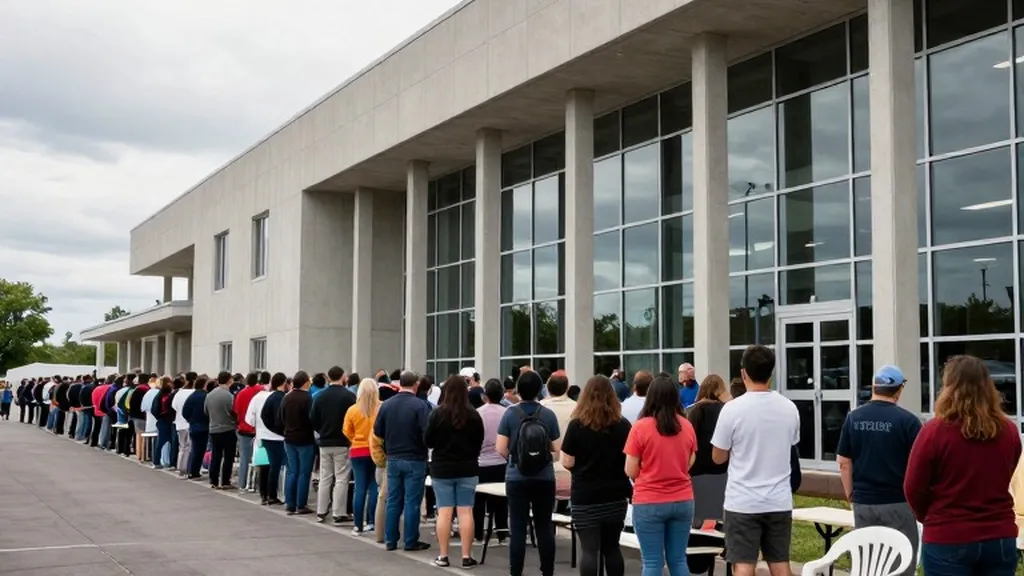
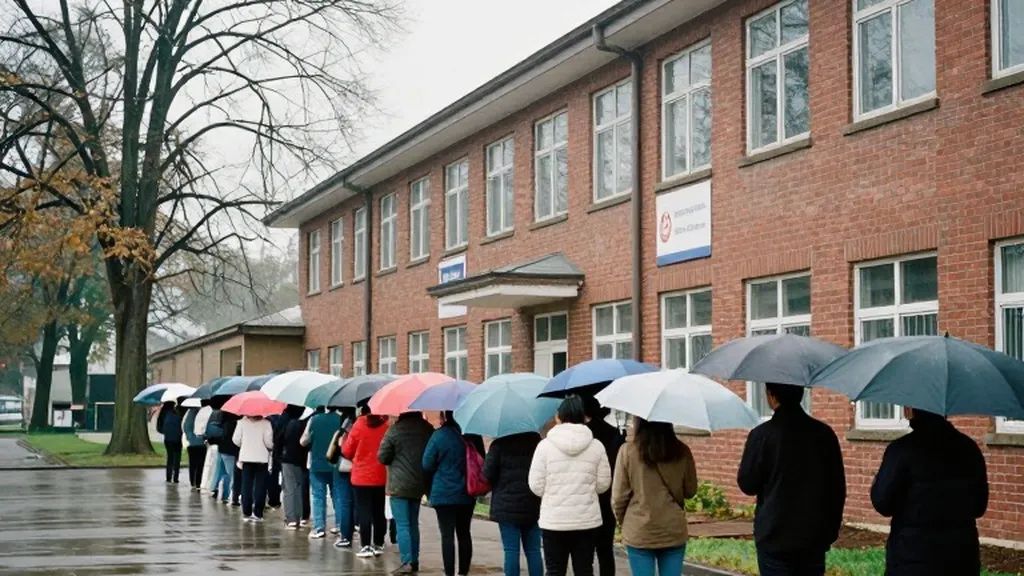
Voters are heading to the polls with a clear sense of what is at stake, with more than 57 million people having already voted as of Monday. The Associated Press describes the election as a referendum on Trump's second term, with the economy and the Iran war dominating the conversation. Democratic figures are emphasizing the need for change, as DCCC Chair Suzan DelBene stated that the American people are angry. Republican leaders, including RNC Chairman Joe Gruters, are focusing on turnout, arguing that if they turn out their voters, they will win. The results will determine who controls Congress for the next two years and set the stage for the 2028 presidential race.
The new congressional maps in states like Texas and Florida will be closely watched to see if they perform as intended by the parties that drew them. The Associated Press notes that the administration's legal challenges in states like Alaska and California have added a layer of complexity to the election day process. A federal judge temporarily barred the administration from a plan to prevent noncitizen voting, while another judge ordered them to stop demanding that California officials segregate ballots for suspected noncitizens. These legal moves highlight the ongoing tension between the executive branch and state election authorities.