57 Million Voted Early; Both Parties Bet on Turnout Today
With polls open, Democrats and Republicans cite record early participation and ground game strategies as they race for control of Congress.
By Amelia Clarke ·
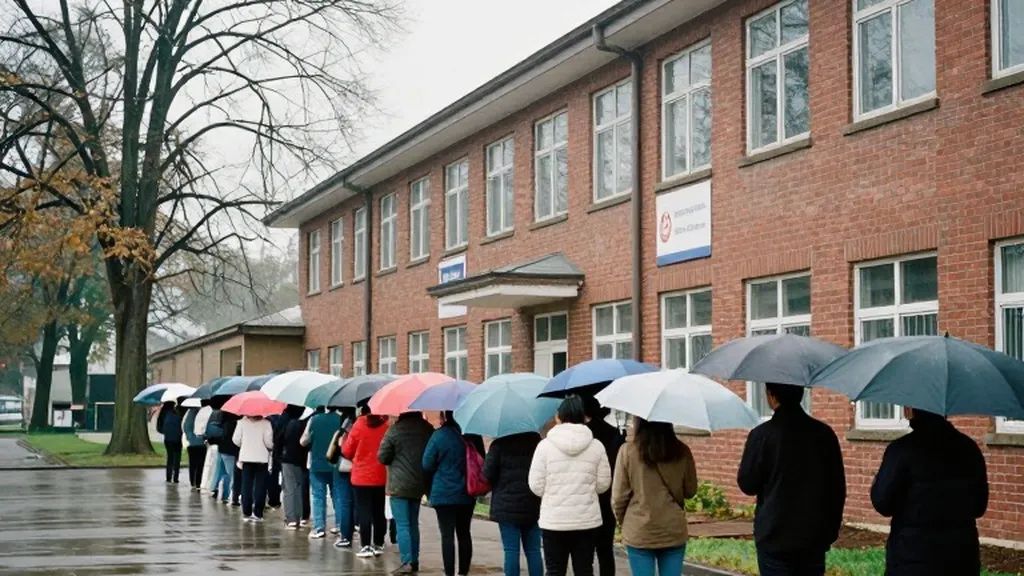
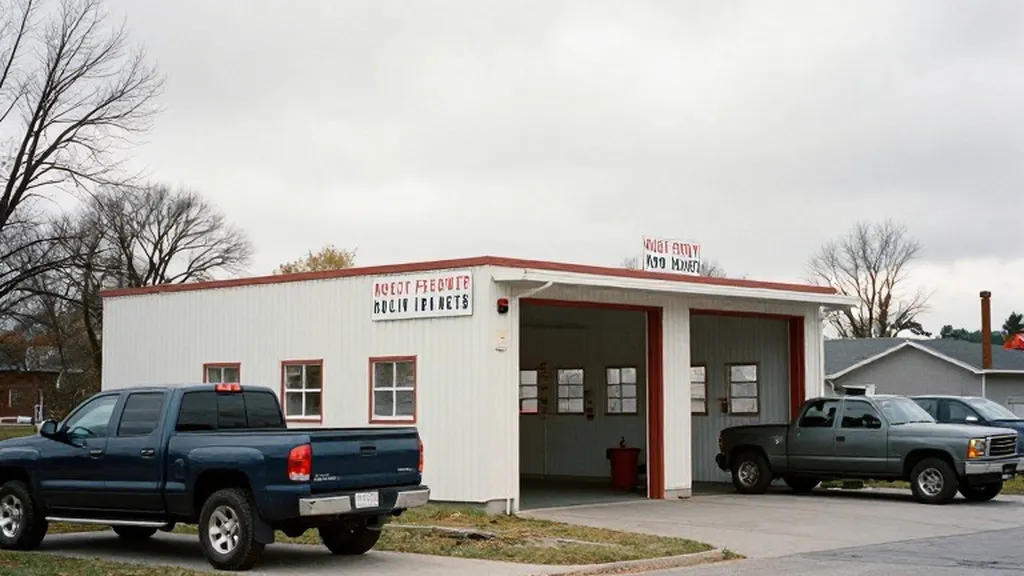
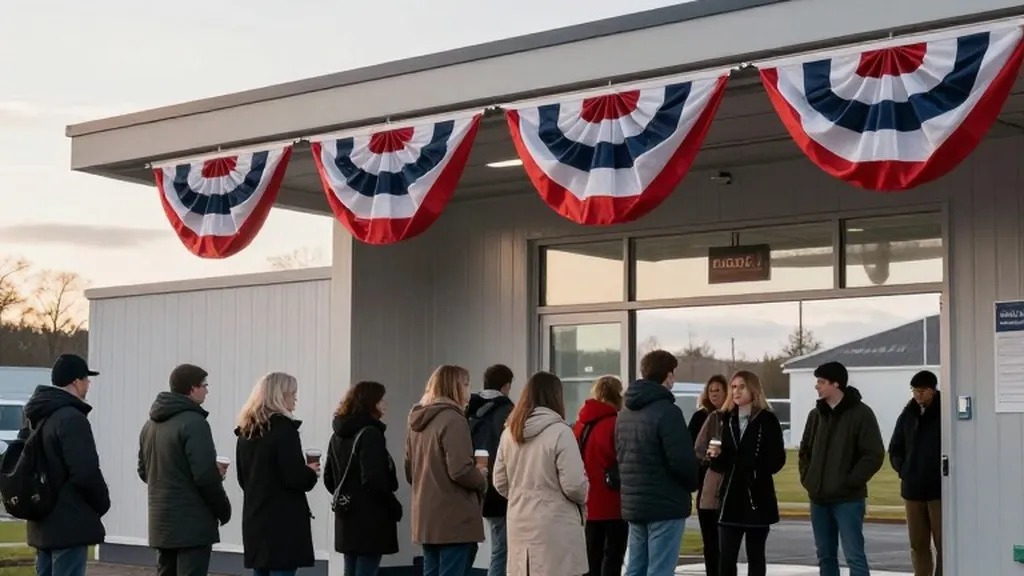
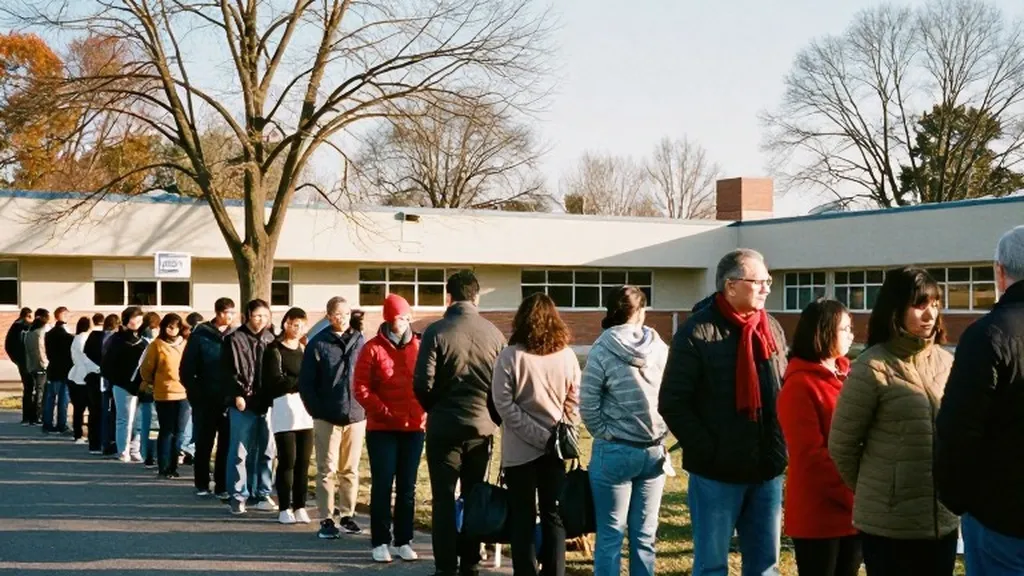
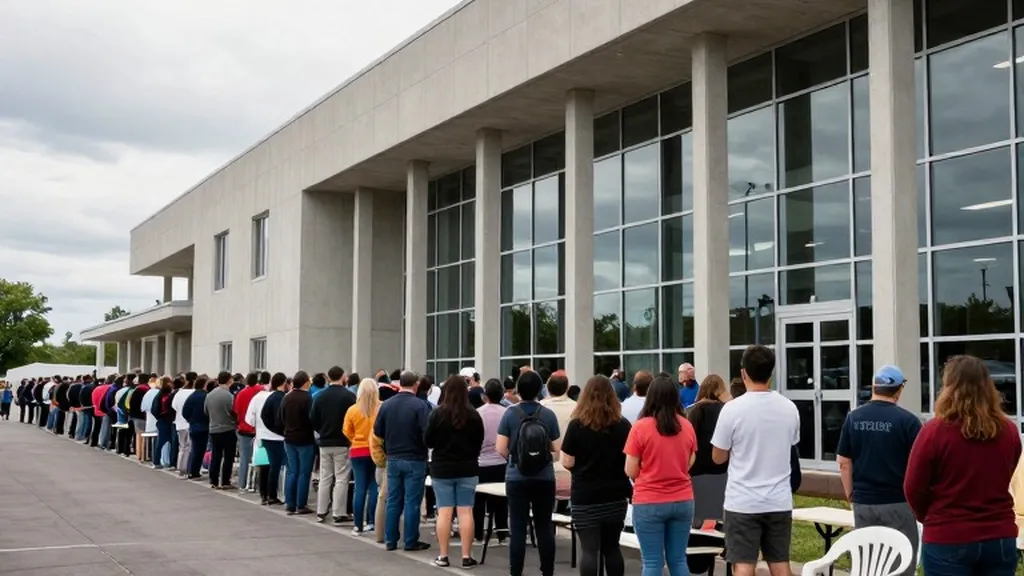
Voters across the United States arrived at polling places on Tuesday, November 3, to cast ballots in the midterm elections. The Associated Press reports that more than 57 million people had already voted in early ballots as of Monday. This figure surpasses the early vote totals from four years ago in many closely watched states. The high volume of early participation has set the stage for a decisive contest over the control of Congress during the final two years of President Donald Trump's second term.
Democratic strategists are leaning on the momentum of this early turnout to secure a majority in the House of Representatives. Rep. Suzan DelBene, the chair of the Democratic Congressional Campaign Committee, emphasized the emotional state of the electorate. She stated that the American people are angry and that they want change. Her comments reflect a party strategy focused on mobilizing voters who are concerned about the cost of living and the direction of the country. Democrats are operating with cautious optimism as they seek to flip the chamber.
In contrast, Republican leadership is focused on maintaining their grip on the Senate and holding the line in the House. RNC Chairman Joe Gruters framed the day's events as a test of organizational discipline. He noted that everything depends on turnout and that if they turn out their voters, they win. Gruters added that this is what they have been planning for. The Republican effort is described by the Associated Press as a fight to brace for potential losses in the House while working to preserve their majority in the Senate.
The Associated Press describes the election as a referendum on the President's second term. Polling data from the AP-NORC survey indicates that 35 percent of U.S. adults approve of Trump's job performance. Only 25 percent approve of his handling of the economy. About seven in 10 adults say the country is heading in the wrong direction, with most blaming the President for high prices. These statistics underscore the economic anxieties driving voter behavior on Election Day.
Voters are expressing these concerns directly. James Moore, a 57-year-old librarian in Raleigh, North Carolina, cited the rising cost of daily necessities. He said he is paying more taxes, more for his healthcare, and more for everything. His sentiment mirrors the broader Democratic narrative that the administration needs to address the cost of living. Meanwhile, voter Mark Barker of Palm Beach Gardens, Florida, expressed support for the President, stating that he has been following Trump the whole time and thinks he is doing an awesome job.
The ground game has been a critical component of both parties' strategies. Democrats have emphasized door-to-door contact and phone banking to engage voters in battleground districts. Republicans have relied on a significant financial advantage, with committees outraising and outspending their Democratic counterparts. This spending was bolstered by Trump-affiliated groups and Elon Musk. However, at the candidate level, Democrats reported that they outraised their opponents, allowing them to target specific races with precision.
Eighty-eight percent of Republican general election television ad spending went to states and districts that Trump won in 2024. This includes more than $850 million in areas where he won by 10 points or more, according to an AP analysis of AdImpact data. This strategy aims to consolidate the base in safe Republican areas while protecting vulnerable seats. Democrats, meanwhile, have focused their resources on the 46 battleground districts identified by Ballotpedia, aiming to pick up the three net seats needed for a House majority.
In the Senate, Democrats need a net gain of four seats to achieve a majority. Republicans can afford to lose only two seats. Thirteen Senate races are considered battlegrounds, with Maine rated as a toss-up by all four major election forecasters. Other competitive races include Georgia, Iowa, Kansas, Alaska, and Michigan. The outcome in these states will determine which party controls the upper chamber for the next six years, with winners beginning their terms on January 3, 2027.
The Associated Press notes that one or two seats could tip the balance in either chamber. This narrow margin of error highlights the importance of turnout in specific districts. If Democrats win even one chamber, investigations and possible impeachment proceedings become likely. House Democratic Leader Hakeem Jeffries, who would be the first Black speaker if the Democrats win the House, has outlined a 100-day agenda focused on the cost of living and oversight of the administration.
Republicans attempted to beat the historical midterm pattern, where a president's party almost always loses seats, through redistricting efforts. However, new congressional maps in states like Florida, Texas, and California may not vote as drawn. The AP notes that Democrats are fighting to hold the Senate while also targeting the House. The combination of early voting numbers and targeted ground games suggests that the final count will be determined by which party can better mobilize its base on this specific day.
As polls close across the country, the focus shifts to the counting of mail-in ballots and the final tally of in-person votes. The U.S. Postal Service added hours and staff to ensure that mail ballots are counted on time. Wall Street is watching the results for signals on economic policy and debt ceiling negotiations. The outcome of Tuesday's vote will shape the legislative landscape for the next two years, with both parties hoping that their turnout bets pay off.