Trump proposes energy dividend mandate for AI data center operators
The White House is pressuring hyperscalers to share excess power with local residents to mitigate rising utility bills and community opposition.
By Owen Turner ·
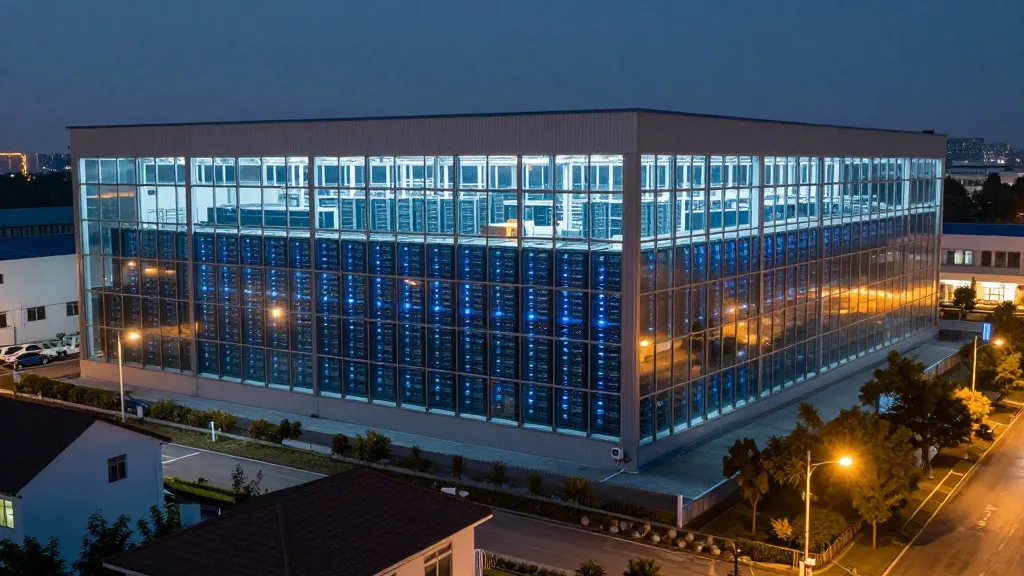
Tensions between large-scale AI infrastructure projects and the towns they inhabit have reached a boiling point across the country. In a direct appeal to industry leaders, President Donald Trump has called for a new financial arrangement that would require data center builders to pay energy dividends to the communities they impact.
The administration's latest push goes beyond previous directives that required these facilities to generate their own electricity. Trump warned in a post on Truth Social that data centers would be mandated to give or sell their excess energy back to the local community. The stated goal is to overcome energy-related price hikes or even reduce local costs, making the presence of these massive facilities more palatable to residents who have often protested against their outsized impact.
Local opposition has grown louder, driven by concerns over rising electricity costs, noise pollution, water shortages, and air pollution. Small communities are frequently bearing the brunt of these environmental and economic burdens. By demanding that large companies provide something tangible to the areas they affect, the administration seeks to ease this pain and win back some favor. This strategy aligns with the broader government objective of staying ahead of China in the AI arms race while addressing local grievances.
The practical mechanics of this dividend remain under scrutiny. Given the focus on electricity, the payment might take the form of partially covering rising utility costs for households near the data centers. This follows a recently passed act that orders data centers to shoulder the cost for grid upgrades, preventing those expenses from being passed on to local taxpayers through general funds. The administration argues that excess electricity from on-site generation could be used to further lower costs for locals.
Trump emphasized the economic incentive in his post, noting that data centers which were previously unpopular in certain areas have become extremely popular once a financial deal was struck. He urged industry leaders to "MAKE DEALS, and get them built!!!" The administration appears keen to prioritize speed and construction, assuming that financial concessions will smooth over local resistance.
However, the use of the term "dividend" raises questions about the financial reality of these projects. Companies typically pay dividends only when they are profitable, yet many new data center builds are expected to be in the red for some time as construction costs are recouped. Critics point out that the primary short-term power source for these facilities is often noisy and polluting gas-powered generators, which may not be an immediate improvement for residents compared to conventional power plants. Other generation methods take longer to come online, leaving the near-term benefits uncertain.
Whether these dividends will be enough to win over skeptical communities remains to be seen. The economic aspect is only one facet of a complex problem. Enormous water consumption, ecological damage, and pollution continue to be major challenges that make AI data centers a difficult sell, regardless of financial incentives. The mandate may serve as a gesture to appease residents, but it does not fully address the underlying environmental and logistical concerns that have driven recent protests.
Source: Tom's Hardware · original report published