Voters weigh Iran war costs as they decide Congress
With polls open, the conflict in Iran and rising living expenses have become central to a midterm race where Democrats seek a House majority and Senate leverage.
By Amelia Clarke ·
Voters across the United States are casting ballots on Tuesday, November 3, 2026, to determine the balance of power in Congress for the final two years of President Donald Trump's second term. The Associated Press describes the election as a referendum on the administration, noting that many citizens are struggling with high prices and are angry over an unpopular war with Iran. This conflict has emerged as a distinct issue on the ballot, complicating the traditional economic grievances that usually define midterm cycles. As polls open, the question of how the war affects national security and domestic spending is front and center for many Democrats who view the outcome as a check on executive authority.
The stakes for the House of Representatives are high, with all 435 seats up for grabs. Republicans currently hold 218 seats, while Democrats hold 214, leaving the minority party needing a net gain of three districts to secure a majority. According to Ballotpedia, there are 46 battleground districts in play, with 25 held by Democrats and 21 by Republicans. The Associated Press notes that Democrats are cautiously optimistic, viewing the war and economic strain as key drivers for their base. A win in the House would likely trigger investigations and possible impeachment proceedings, with House Democratic Leader Hakeem Jeffries poised to become the first Black speaker if his party takes control.
In the Senate, 35 seats are on the ballot, including 33 regular elections and two special elections. Republicans hold 53 seats, and Democrats need a net gain of four seats to achieve a majority. The Associated Press reports that one or two seats could tip the chamber, making the race for control extremely tight. Key matchups include Georgia, where Senator Jon Ossoff faces Representative Mike Collins, and Ohio, where former Senator Sherrod Brown challenges Senator Jon Husted. The war in Iran has added a layer of complexity to these races, as voters in swing states weigh the administration's foreign policy choices against domestic economic concerns.
The cost of living remains a dominant theme, with the Associated Press citing a poll showing that 35 percent of U.S. adults approve of Trump's job performance, while only 25 percent approve of his handling of the economy. About seven in ten Americans say the country is heading in the wrong direction, and most blame the president for high prices. James Moore, a 57-year-old librarian in Raleigh, North Carolina, told the Associated Press that he is paying more in taxes and healthcare costs. This sentiment aligns with the Democratic platform, which emphasizes oversight of the administration and relief for households facing financial pressure.
Republicans, bracing for a potential loss in the House, are fighting to hold the Senate. RNC Chairman Joe Gruters stated that everything depends on turnout, asserting that if they turn out their voters, they will win. The party has leaned on its financial advantage, with Republican committees outraising and outspending their Democratic counterparts. This spending was heavily concentrated in states and districts Trump won in 2024, including more than 850 million dollars in areas where he won by 10 points or more, according to an Associated Press analysis of AdImpact data. Despite this money edge, the unpopularity of the Iran war has created challenges for GOP candidates in competitive districts.
Redistricting has also played a role in shaping the election landscape. Six states, including California, Florida, and Texas, are using new congressional maps following mid-decade redistricting. The Associated Press notes that while Republicans tried to use these new maps to beat the typical midterm pattern of the president's party losing seats, some of these new districts may not vote as drawn. This uncertainty adds a layer of strategy to the campaign, with both parties focusing on ground game and turnout efforts in these newly defined areas. The effectiveness of these maps will be a critical factor in determining the final composition of the House.
The administration's legal moves regarding voting have also influenced the mood of the election. A federal judge temporarily barred the Trump administration from carrying out a plan to prevent noncitizen voting, a move critics said risked disenfranchising eligible voters. The Associated Press notes that Trump has continued to make claims about voting fraud, including that noncitizens vote in large numbers. His administration has sued in Alaska and California, leading to fears among Democrats about interference and intimidation as the Justice Department threatens to prosecute local election officials. These actions have energized the Democratic base, who see the election as a chance to restore normalcy to the electoral process.
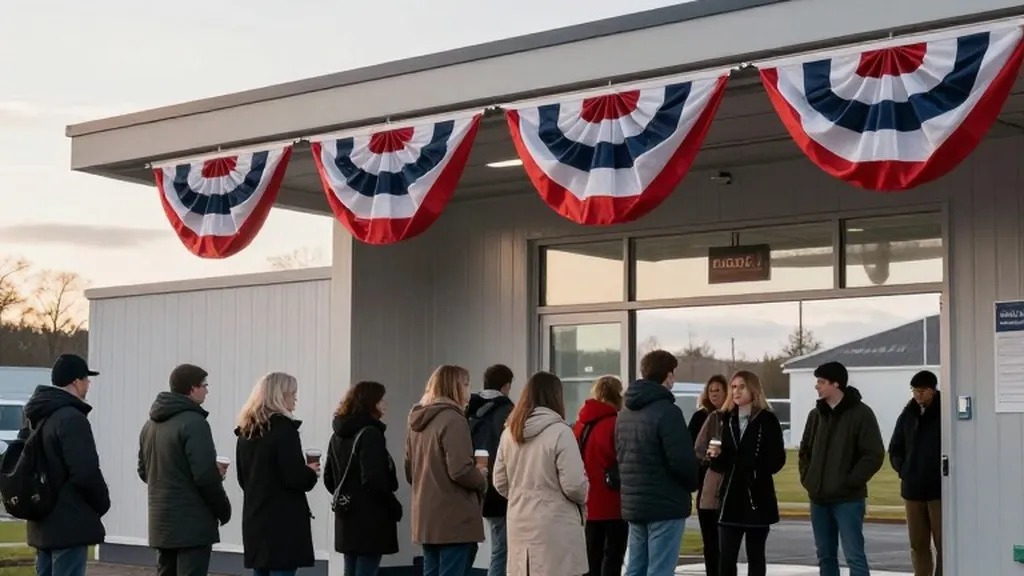
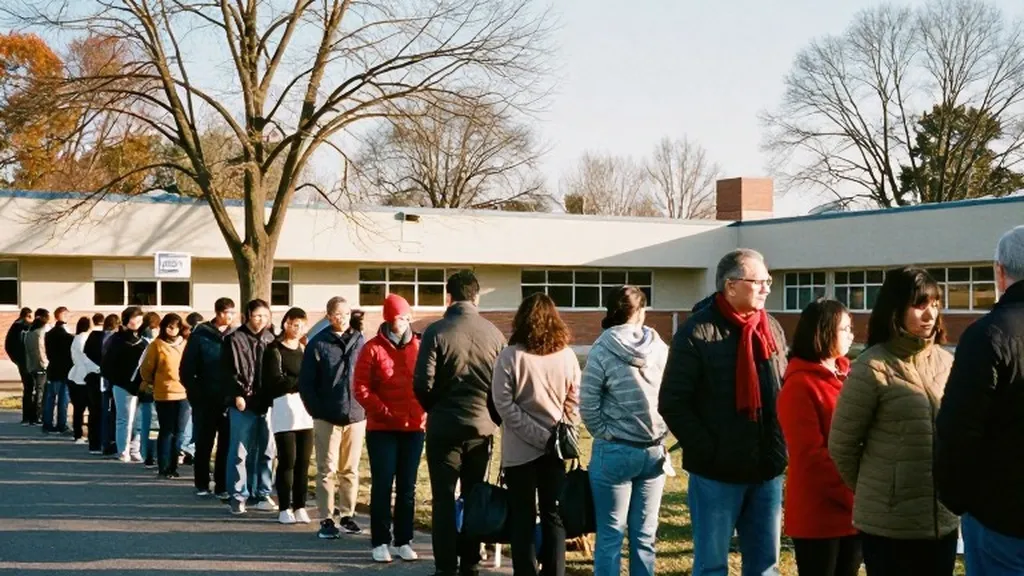
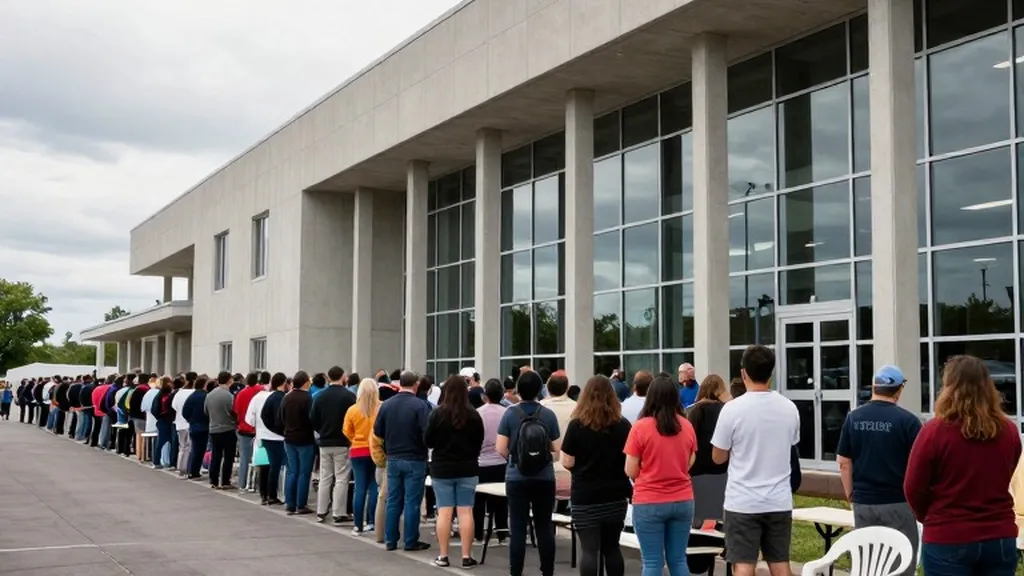
More than 57 million people had already voted as of Monday, surpassing early vote totals from four years ago in many closely watched states. This high level of early participation suggests a strong interest in the outcome, particularly regarding the Iran war and economic policies. The United States Postal Service added hours, staff, and special lines to ensure mail ballots are counted on time, reflecting the logistical efforts required to manage the high volume of votes. As polls open today, the focus remains on how voters in battleground states will weigh the foreign policy stakes against their personal financial realities.
The governor's races also carry significant implications, with 36 offices up for election. Democrats are hoping to hold a majority of governorships for the first time in two decades, a goal that would bolster their position in state legislatures and on national issues. The Associated Press identifies Georgia and Ohio as key competitive races, where the outcome could influence the balance of power in state governments. A strong Democratic performance in these races would support potential 2028 candidates like Gavin Newsom and JB Pritzker, while a Republican hold would maintain the party's control over state-level policy agendas.