Trump to Drop Some Canadian Tariffs as Obama Jabs at Trade War
The president plans to lift levies on certain goods, but Ottawa remains skeptical of a pre-election deal.
By Amelia Clarke ·
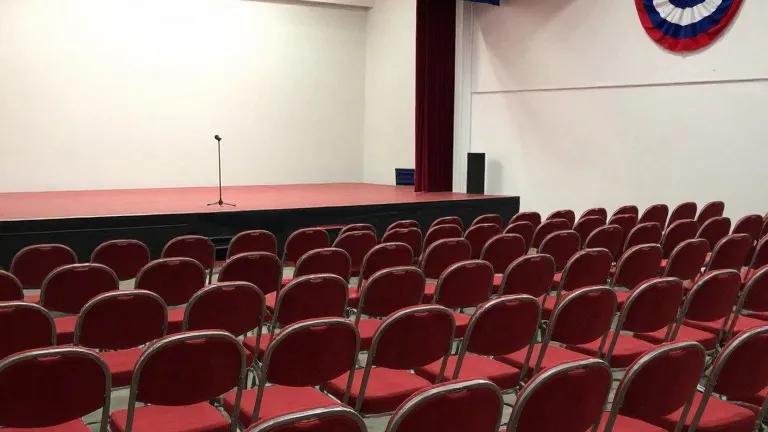
Former President Barack Obama ridiculed the U.S. trade war with Canada during a rally in Cleveland on Saturday.
Obama told the crowd that the administration is fighting a war with a "well-known evil empire," referring to the northern neighbor. He joked that Canada is the source of maple syrup and Martin Short, calling Canadians the nicest people. He questioned why President Donald Trump would pick a fight with friendly neighbors to the north.
The former president argued that tariffs have raised costs for American consumers, a trend he said has hurt Republican chances in the midterms. He noted that the negative effects were widely expected. This criticism comes as the economy feels the weight of higher prices in border states.
On Friday, Trump announced a plan to lift tariffs on some Canadian products. This move follows a year of retaliatory measures. The initial levies were justified by concerns over fentanyl trafficking and trade imbalances. Negotiations between the two sides broke down in August.
Ottawa remains cautious despite the signal from Washington. Trade Minister Dominic LeBlanc told CBC's Power & Politics that Canada does not expect a deal before the Nov. 3 vote. The minister suggested that the policy shift may be a strategic move rather than a final resolution.
The trade dispute has become a central theme in campaign rhetoric for both parties. At a rally in Highland Heights, Ky., on Oct. 17, Trump claimed the U.S. has lost billions of dollars to Canada. He described the country as emboldened. Trump also praised Canadian Prime Minister Mark Carney as a nice guy, though he noted Carney is less friendly on trade matters.
The shifting tariffs create uncertainty for workers and businesses in both countries. While Trump has eased the pressure on some goods, the full scope of the rollback remains unclear. The upcoming midterm elections will likely test how voters respond to these economic changes.
Source: CBC News