Lunar Logistics: New NASA Estimate Reveals 22 Starship Launches Needed
A former astronaut on the Aerospace Safety Advisory Panel indicated that the Artemis program may require twenty-two rocket flights to fuel a lander for a crewed Moon mission.
By Owen Turner ·
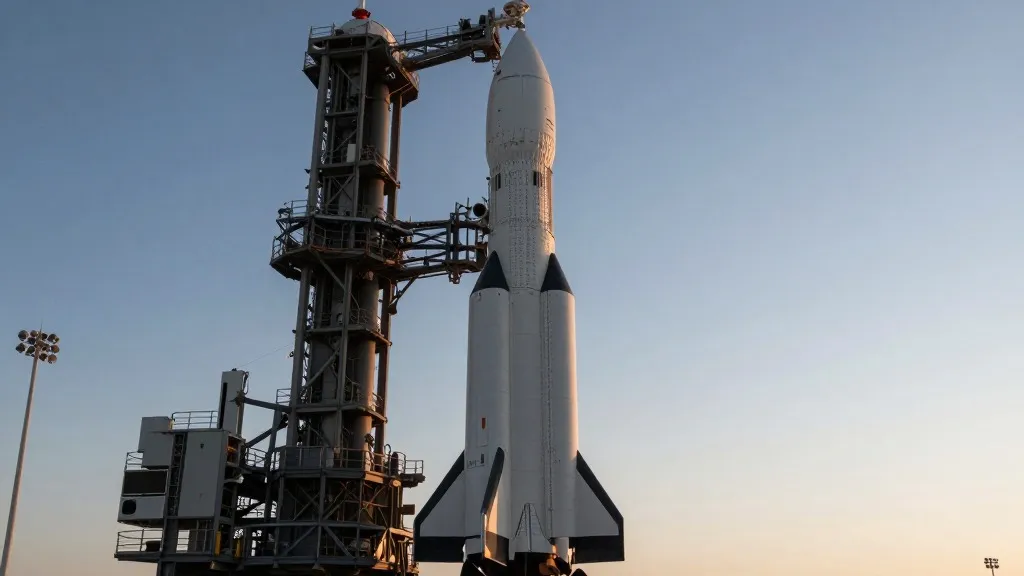
NASA has long treated the specific number of rocket launches required for its Moon landing plans as a sensitive metric, guarding the figure with a secrecy often reserved for nuclear codes. The agency is currently developing the Artemis Program to return humans to the lunar surface, a goal that relies heavily on the development of the Starship vehicle by SpaceX.
The uncertainty surrounds the amount of propellant needed to fuel a Starship-based lunar lander in low Earth orbit. This fuel is necessary for the vehicle to travel to the Moon, land on the surface, and return to lunar orbit. Because this figure determines the scale of the logistical operation, it has remained a moving target for years.
In the past, NASA officials have generally preferred to avoid providing a precise number. In 2023, Lisa Watson-Morgan, who served as the director of NASA’s Human Landing System, told reporters that the agency had a general idea but was reluctant to state it exactly. She later described the requirement as being in the high single digits to the low double digits.
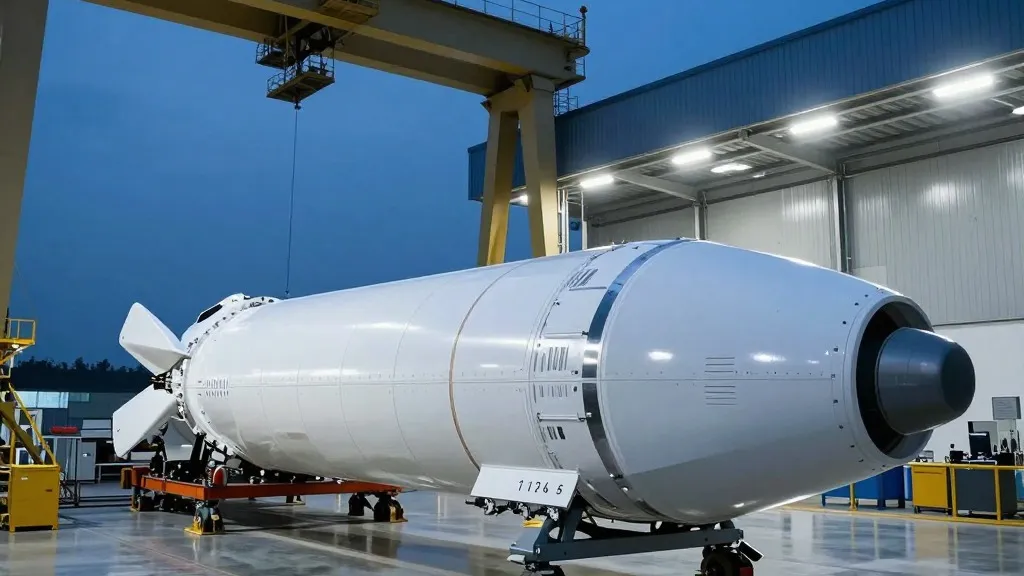
That earlier estimate suggested roughly a dozen launches. Under that scenario, SpaceX would need to send one depot Starship into orbit, followed by eleven tanker Starships to load it with liquid oxygen and methane. Other officials have previously cited figures in the high teens. The underlying hope was that SpaceX would significantly increase the lift capacity of the rocket, thereby reducing the number of tanker flights needed to complete the mission.
However, concerns are growing among some NASA officials that these capacity improvements may not arrive soon enough. There is now doubt about whether Starship can play a meaningful role in returning humans to the Moon within the current decade. This shift in perspective highlights the logistical challenges facing the Artemis timeline.
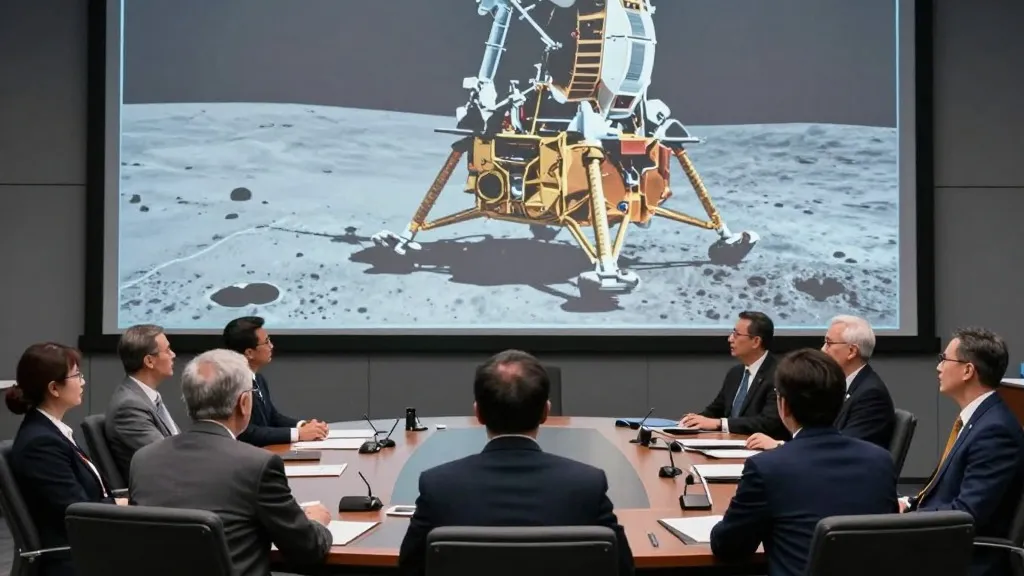
New clarity emerged on Thursday during the quarterly meeting of the NASA Aerospace Safety Advisory Panel. The panel reviewed risks associated with the Artemis Program and the broader goal of landing humans on the Moon. The discussion brought specific attention to the operational requirements for fueling the lander.
Charlie Precourt, a panel member and former NASA astronaut, addressed the group regarding these risks. His comments signaled a new estimate for the number of launches required. The figure of twenty-two launches emerged from this discussion, marking a significant increase from previous low double-digit estimates.
This higher number reflects a more conservative assessment of the current capabilities and timelines. It suggests that the agency is preparing for a scenario where the rocket's payload capacity does not improve as rapidly as previously hoped. The shift underscores the complexity of coordinating multiple launches to build a functional spacecraft in orbit.
Source: Ars Technica · original report published