Tesla's Q3 Report: 1.74 Million FSD Users Counted Under New Pay Package Metrics
Tesla reports a 67% year-over-year increase in Full Self-Driving subscriptions, a figure that includes past one-time buyers to align with executive compensation targets.
By Gabriela Flores ·
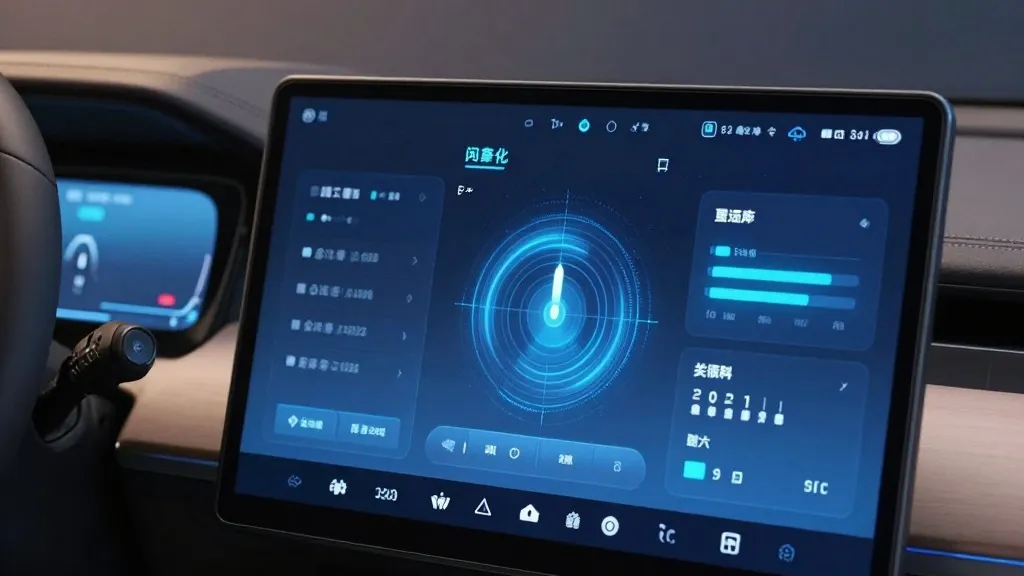
The ongoing debate over how electric vehicle manufacturers define software revenue has gained new traction in New England markets, where consumer adoption of advanced driver-assistance systems continues to accelerate. In its third-quarter 2026 shareholder letter, Tesla disclosed that it now counts 1.74 million active Full Self-Driving (FSD) subscriptions, marking a 67% increase from the same period last year.
This significant jump in user numbers is not solely driven by new monthly payments. A footnote in the report clarifies that the metric follows the definition established in the 2025 CEO Performance Award. Consequently, the count includes both customers who pay a monthly fee and those who purchased the software upfront, some of whom did so years ago. Tesla ceased selling FSD as a one-time purchase on February 14, 2026, meaning new customers in the United States now pay $99 per month. However, the roughly 1.74 million figure retains all previous upfront buyers, excluding only free trials, while the company has not yet disclosed how many of these users are currently paying monthly.
The choice of definition is financially significant for Tesla’s leadership. Reaching 10 million active FSD subscriptions is one of the operational milestones required for Elon Musk to earn his 2025 compensation package. As of June 30, Tesla considered only the 20 million vehicle delivery milestone probable. The award structure includes twelve tranches, each tied to specific market capitalization and operational goals, such as 1 million Optimus robots and 1 million robotaxis. At the current pace of adding 260,000 net subscriptions per quarter, analysts estimate it could take eight to twelve years to reach the 10 million target, a timeline that extends well into the award’s validity period through 2035.
In addition to subscription counts, Tesla reported that more than 75% of new deliveries in North America included FSD subscriptions in the third quarter. The company described this as a nearly twenty percentage point sequential increase and stated that it believes FSD is driving demand in available markets. However, the letter does not define whether this attach rate includes introductory offers or how many of those buyers remain active after several months, leaving a gap in understanding long-term retention.
Tesla’s reporting methods extend beyond FSD, as its cumulative delivery figure of 10.2 million now includes unsupervised Robotaxis placed into commercial operation to match the pay package’s 20 million vehicle milestone. Critics note that while counting upfront buyers is not inherently incorrect, labeling them as subscribers may obscure the true revenue model. The company’s failure to disclose the number of active monthly payers, despite knowing the figure, has raised questions among investors and observers in the region.
Looking ahead, the next shareholder letter will likely provide further details on these metrics. The board’s decision to align reporting with executive compensation goals sets a precedent for how software-driven value is measured in the automotive sector. As Tesla continues to expand its FSD footprint, the distinction between one-time purchases and ongoing subscriptions will remain a key factor for stakeholders evaluating the company’s growth trajectory.
Source: Electrek