NewView and Carta aim to unlock early stock liquidity for startup staff
A new partnership seeks to streamline tender offers, allowing employees of long-lived private firms to sell shares before a public exit.
By Amelia Clarke ·
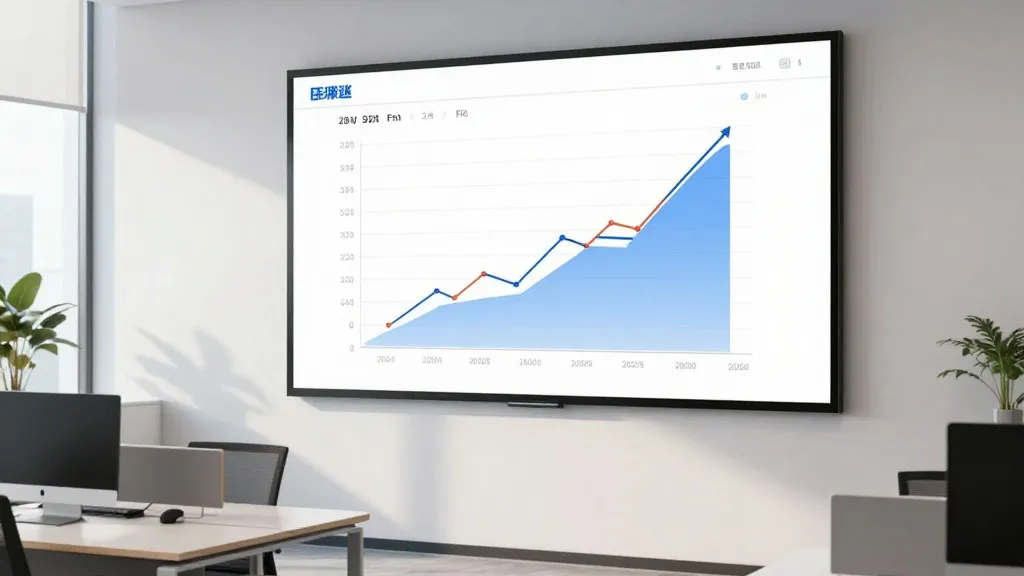
Only forty-four tender offers were executed in the first half of 2026. This figure represents a small fraction of the eligible startup population, despite a significant shift in how private companies manage employee equity.
The data comes from a recent joint study by NewView Capital and Carta. It reveals that such transactions among Series C and later-stage firms are projected to have grown threefold over the past three years. The mechanism involves employees and early investors selling a portion of their holdings at a set price to an approved buyer. This approach has gained traction as the wait for a public listing or acquisition stretches on.
NewView and Carta have now joined forces to make this process easier for companies. The collaboration pairs NewView's experience in structuring secondary deals with Carta's equity platform. Ravi Viswanathan, founder and managing partner of NewView, described the initiative as a way to help startups launch and run liquidity programs more smoothly.
Viswanathan encouraged founders to view early liquidity as a benefit for employees, companies, and investors alike. He noted that the standard recruiting pitch has lost some of its force. A decade ago, reaching unicorn status was enough to attract talent, but the number of billion-dollar companies today means the label carries less weight. He described a tender as an opportunity to say you will also get liquidity in your journey with us.
The practice is no longer limited to the most valuable private firms, such as OpenAI, Databricks, or Anduril. As an example, Viswanathan pointed to Hightouch, a marketing customization startup. Last year, NewView led a tender for the company at a $1.3 billion valuation, when it was seven years old. NewView pursues secondary transactions alongside conventional venture investing.
Other recent companies to hold tender offers include Decagon, an AI customer support startup; Wayve, which develops self-driving technology; and ElevenLabs, an AI voice generator that carried out two such offerings in under a year. Viswanathan wants to widen the group of companies using these tools, calling tenders strong retention tools and morale boosters.
He argued that the longer timelines for going public are unlikely to reverse. He stated that companies are staying private for 12 to 15 years, and that this trend is not changing. To prevent a talent drain from high-quality venture-backed companies to their public counterparts, he added that we need to make sure that there is liquidity for the employees.
Source: TechCrunch
More Business · Tech news · Scam Watch · Report a business · Got a Story?