Amazon swaps Loudoun data centers for homes
After local resistance, the tech giant will convert most of its Virginia land purchase into residential development and public amenities instead of servers.
By Javier Cabrera ·
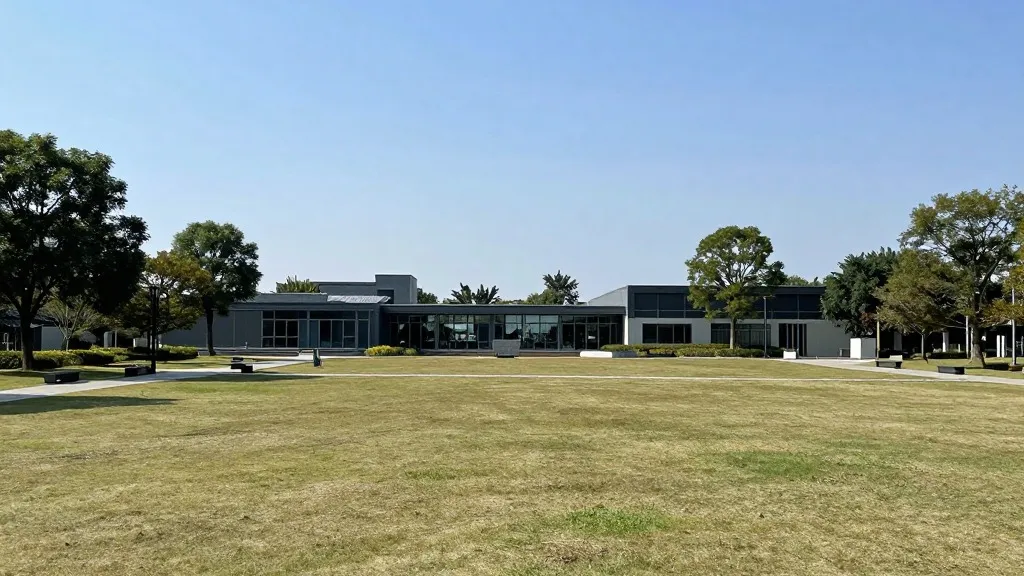
Amazon has officially withdrawn its proposal to construct four data centers on a 122-acre site in Loudoun County, Virginia, a move that marks a significant shift in strategy for one of the country's largest cloud computing providers. The company will instead dedicate the majority of the former George Washington University campus to mixed-use and residential construction. This decision follows intense local opposition and represents a concession to community demands for housing and public space over industrial expansion.
The revised agreement includes specific financial and land-based commitments to the local government. Amazon has agreed to donate 25 acres of the property to Loudoun County. These lands are designated for the construction of a new community arts center and a recreational facility. Additionally, the company will contribute five million dollars to the county's housing fund. These concessions are designed to address the immediate needs of the local population while preserving a portion of the green space on the site.
The reversal is particularly notable because of the county's reputation. Loudoun County is frequently referred to as Data Center Alley due to its status as the home of the world's largest concentration of such facilities. Despite this density, residents have grown increasingly wary of the environmental and economic impacts of new construction. Primary concerns include the constant noise generated by cooling systems and the massive consumption of electricity, which can strain local grids and raise utility costs for households.
The timeline of the dispute began in July of this year when Amazon filed its initial proposal for the four facilities. By September, tensions had risen to the point where the company met with Phyllis J. Randall, the chair of the Loudoun County Board of Supervisors. Randall advised the tech giant that the land might serve the community better with a different type of development. This dialogue appears to have been the turning point that led to the current settlement.
Josh Weissman, Amazon's vice president in charge of data center development, explained the company's rationale in a statement. He noted that Amazon had moved quickly to purchase the former campus when the opportunity arose. However, he acknowledged the county's pointed concerns about data center development at this particular site. Weissman stated that while the company saw the property's legal development potential differently than the county did, they concluded that the best outcome for all parties was to come together on a shared vision rather than engage in costly litigation.
This local conflict reflects a broader national trend. Data centers have long been essential for supporting cloud-based services and data storage. However, the recent surge in artificial intelligence applications has pushed demand for larger and more numerous facilities to new heights. This rapid expansion has sparked opposition from communities that are concerned about the physical footprint of these buildings, including issues related to water shortages and deforestation in areas where they are constructed.
The political landscape is also evolving in response to these pressures. Days before the announcement in Loudoun, President Donald Trump called on data center builders and AI hyperscalers to pay local communities a dividend. This demand was made in the context of energy-related price increases. The president also stated on social media that data centers should be required to generate their own electricity. Furthermore, he suggested that these facilities should give or sell any surplus energy back to the local community to offset local costs.
County leaders have framed the final agreement as a success of cooperative governance. Randall emphasized that the outcome was a product of choosing dialogue over reflexive disagreement. She stated that this approach created an opportunity for the county to gain tangible benefits. The new plan provides new places for residents to gather, create, and play. Most importantly, she noted, the agreement will help provide more attainable homes for working families in the region.
The shift in Amazon's plans highlights the changing relationship between large technology companies and the communities that host their infrastructure. As the demand for computing power continues to grow, the balance between economic development and local quality of life is becoming a central issue in local planning and national policy discussions. The Loudoun County case may serve as a model for how other regions negotiate with major tech firms over the use of their land and resources.
Source: Tom's Hardware
More Business · Tech news · Scam Watch · Report a business · Got a Story?