Match Group Overhauls Upward to Target Traditional Values Among Young Singles
The dating platform is shifting from a faith-based niche to a broader courtship-focused model for Gen Z users who prioritize marriage.
By Javier Cabrera ·
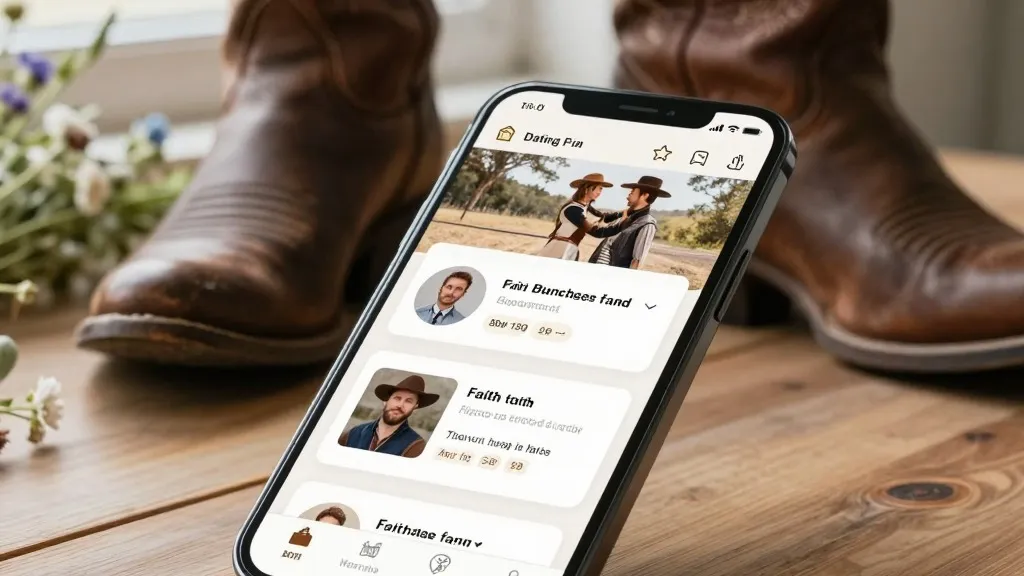
Match Group has significantly revamped its dating application Upward, pivoting from its original launch as a platform exclusively for Christian singles to a broader service aimed at young adults who value traditional relationship dynamics. The company believes that a substantial portion of Generation Z is eager to commit to marriage, a demographic trend that has prompted a strategic rebranding effort. This move signals a shift in how major tech firms approach the dating market, moving beyond casual hookups to facilitate long-term partnerships among younger users who may not identify primarily through religious affiliation but still seek structured courtship.
The decision to redesign the app was grounded in data from Match Group's 2026 Singles in America study. The research indicated that 72 percent of Gen Z respondents expressed a desire to get married. Additionally, the survey found that a quarter of singles between the ages of 18 and 34 identify with a blend of traditional values regarding family, faith, and community. Lauren DeFord, the director of brand marketing at Match, explained that the expansion was designed to welcome individuals who share these goals without necessarily leading with a faith-first mindset. She clarified that while Christian singles remain central to the platform's mission, the relaunch represents a brand shift to include a wider pool of potential matches.
Functionally, Upward operates on a tiered subscription model and utilizes a familiar swipe interface similar to Tinder. However, the new version introduces specific features intended to encourage traditional courtship behaviors. A key addition is Chivalry Mode, which prompts men to initiate conversations, mirroring the earlier format of the Bumble app. Another prominent feature is the Marriage Timeline tool, which allows users to specify their anticipated wedding dates. Users are also encouraged to include a Faith Statement in their profiles to describe their values regarding their relationship with God, maintaining a link to the app's religious roots even as it broadens its appeal.
The marketing campaign for the relaunch embraced a retro Americana theme, positioning Upward as the home of modern courtship. Promotional materials featured Western-style imagery, including a video of a man in a cowboy hat performing traditional gestures such as gifting flowers and opening car doors. The campaign, titled Wanted: For Life, leaned heavily on nostalgic visuals to resonate with the target audience. This branding strategy appears to be an attempt to capitalize on the current cultural trend among young men and women who are seeking clearer scripts for romantic interactions in an era where social norms have become less defined.
Experts suggest that this trend is partly a reaction to a perceived lack of cultural guidance on dating. Daniel Cox, director of the Survey Center on American Life, noted that Gen Z is entering adulthood with ambiguous relational priorities. He pointed to a decline in social and civic engagement that has fostered a hyperindividualistic culture. An American Institute for Boys and Men survey highlighted that 44 percent of Gen Z men had no relationship experience during their teenage years, a rate that is double that of older generations. Cox argues that this vacuum has created a demand for structured approaches to dating, although he remains skeptical that the traditional model is ideal for all young people.
Despite Match Group's internal data, broader survey results present a more complex picture of young adults' views on marriage. A 2023 Pew Research study found that only 23 percent of adults considered marriage extremely or very important to a fulfilling life, compared to 61 percent who valued close friendships. Furthermore, the share of high school seniors who expected to marry someday has dropped from 80 percent in 1993 to 67 percent in 2023. Cox cautioned that Match's statistics might be skewed by age, as older generations in the survey may have already experienced marriage or divorce. Match Group maintains that its survey of 5,000 unmarried U.S. singles is demographically representative of the Census.
User responses to the relaunch have been mixed, with some expressing frustration over the platform's inclusivity and functionality. Adreanna Pulliam, a 25-year-old opera singer in Bloomington, Indiana, described encountering men who fit a specific conservative mold, alongside unusual profile choices. She questioned why the app allows users to list body types like chubby and permits married individuals to join. Tauti, a social work student in California, left the platform within 48 hours, stating on social media that the experience turned her off from Christian dating entirely. Heidi Marais, a teacher and single mother, raised questions about why agnostics are allowed on a platform that still emphasizes faith statements.
Upward has faced ongoing complaints since its initial launch regarding functionality, filtering options, and user support. One App Store reviewer described the app as janky as hell. Although the company has not disclosed active user numbers, Pulliam believes the app could find a niche audience within communities of Christian private universities. However, she added that the platform may only work for individuals with a somewhat closed mindset. As Match Group continues to invest in this segment, the success of Upward will depend on whether it can balance its traditional values with a user experience that appeals to a diverse and increasingly digital generation.
The next steps for Match Group involve refining the app's features based on user feedback and monitoring engagement metrics. The company aims to solidify Upward's position as a leading platform for those seeking serious relationships. The broader implications of this strategy could influence how other dating apps market themselves to younger demographics, potentially leading to a wider adoption of courtship-focused features across the industry. For now, the focus remains on whether the combination of chivalry cues and traditional values can successfully translate into long-term user retention and satisfaction.
Source: Wired
More Business · Tech news · Scam Watch · Report a business · Got a Story?