Iranian Household Budgets: Rising Food Costs Outpace Wage Growth
A new survey in Tehran reveals families are cutting meat and dining out as inflation hits 89.9 percent and the rial continues its slide.
By Owen Turner ·
Inflation in Iran reached 89.9 percent in September, creating a gap between wage growth and the cost of essentials that is forcing households to rethink basic spending. This economic squeeze follows years of sanctions, a depreciating currency, and a recent war that damaged infrastructure and disrupted trade routes.
The current crisis did not start in 2026. Years of international sanctions and stubborn inflation weakened the economy before the United States and Israel launched a war against Iran on February 28. That conflict damaged infrastructure and interrupted trade. A US naval blockade of Iranian ports reduced oil exports and imports, while Iranian attacks in the Strait of Hormuz hindered shipping. In August, the US Treasury started a new sanctions campaign it called Economic D-Day to further isolate Tehran financially.
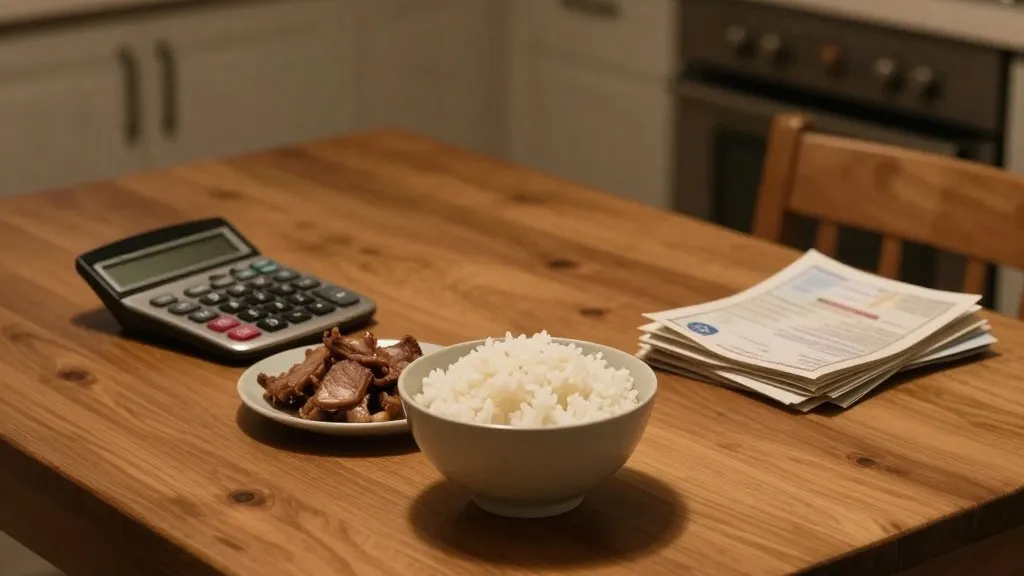
A field survey by Radio Farda in central Tehran shows how these macroeconomic shifts appear in daily life. Families are abandoning middle-class habits such as dining out and saving. The cost of home cooking has doubled in some cases. Making chicken and barberry now costs nearly twice as much as it did a year ago. A meal of ghormeh sabzi with rice costs 23 million rials, or $8.45. Potato patties cost about 4 million rials.
The pressure is visible in how families allocate their food budget. One woman reported that her family reserves meat and chicken for their growing children, while adults eat legumes and meat substitutes. A retired woman on a monthly pension of 180 million rials, or $66, has cut back on protein sources since March. She worries about her health but notes she does not pay rent. Even those earning above the average feel the strain. A man in western Tehran with household earnings of 1 billion rials, or $367, says he has no savings for the future. The average monthly household income in Tehran is around 600 million rials.
Data from the fact-checking outlet Factnameh indicates that a basket of 11 essential food items cost 56 million rials, or $20.70, per person in September. For a family of three, that total is more than 168 million rials, or $61.70. The government’s 10 million rial food voucher covered less than 18 percent of that per-person cost in September, a sharp drop from the roughly 30 percent coverage seen in December 2025. The average monthly wage is estimated at around $100.
Central bank Governor Abdolnaser Hemmati addressed the situation on October 23. He acknowledged the heavy burden on Iranians but stated that efforts to isolate the economy had failed to meet their main objective. Younger workers are also changing their social habits to manage costs. A 28-year-old woman in Tehran earning 400 million rials, or $147, said she and her friends now split one dish between two people at cafes. She described sharing as the only way to make an outing affordable. A newly married woman in Tehran said her wedding savings went toward a housing deposit. She now works two shifts and feels poorer every morning.
The next step in the economic narrative involves the continued interaction between the rial’s value and the price of imported goods. The US naval blockade remains in effect, and the August sanctions campaign is ongoing. These external pressures continue to influence the domestic cost of living for millions of families.
Source: RFE/RL