Fort Bend County votes to waive Tesla equipment taxes for up to 35 years
The 4-0 decision creates a complex financial structure that could cost the county billions if Tesla fails to meet high employment targets.
By Amelia Clarke ·
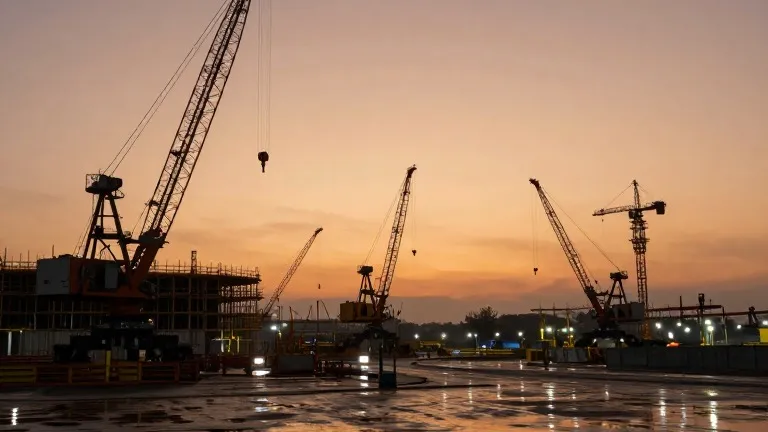
Fort Bend County commissioners approved a four-part tax package on Thursday that could shield Tesla from paying local property taxes on equipment for as long as 35 years. The vote passed 4-0, although Tesla has not yet confirmed it will build the proposed $10 billion solar factory in Texas. This deal represents a massive transfer of local revenue to a single corporate entity, with the county absorbing most of the financial risk.
The project, designated Project Crystal Sun, would be located near Richmond. It is designed as a vertically integrated facility that produces everything from silicon ingots to finished solar modules. Commercial production is targeted for the first quarter of 2029. The county agreement allows the start year to slip to 2031 without requiring new approval from the commissioners. Tesla’s filing breaks the $10.1 billion investment into $1.52 billion in real property and $8.6 billion in personal property. Land and buildings remain fully taxable, but the equipment, which makes up the bulk of the value, receives the primary tax break.
For the first 10 tax years, the Chapter 312 abatement waives 100% of county property taxes on equipment. After that decade, the structure shifts. Tesla pays the county taxes on its equipment, but the county returns 90% of that amount as an annual grant for 20 years. The county keeps the remaining 10% for its general fund. This rebate period extends to 25 years if Tesla averages at least 12,000 employees for two consecutive years in the first decade. That condition stretches the total deal to 35 years. The 12,000 employee threshold is 2,288 higher than the 9,712 jobs Tesla says it will create.
Tesla must meet specific milestones to keep these benefits. Construction must begin by June 30, 2027. Regular commercial production of solar cells must start by December 31, 2030. The company must invest $10 billion by the later of the end of 2031 or two years after production begins. Jobs are expected to ramp from 2,500 to 9,712 by the fourth year. The average wage for these positions is listed as $55 per hour. If Tesla reaches 90% of the target headcount, approximately 8,741 people, it still receives the full abatement.
The penalties for missing targets are limited. If Tesla misses a jobs or wage target for one year, it only loses that year's tax break. Two consecutive misses allow the county to terminate the agreement. Full recapture of abated taxes, plus a possible 15% penalty, applies only to material defaults. These include missing the $10 billion investment, blowing construction deadlines, or abandoning the plant for 12 months. Grants already paid cannot be clawed back over a headcount shortfall. The county’s guaranteed minimum return is $2 million a year.
Tesla’s consultant Kroll estimated in the JETI filing that the project would pay $276.5 million in Fort Bend general taxes over 38 years without these incentives. That figure would peak at $16.2 million in 2030 and covers land, buildings, and equipment together. The new agreement effectively removes the equipment portion from that calculation for the first decade and reduces the county’s share for the following two decades.
In its application, Tesla stated that the Fort Bend site is not competitive with an unnamed site in another state. That competing state lacks the JETI limitation and local abatements. The documents do not specify the production capacity of the new plant. The application cites Elon Musk, who said in January at Davos that Tesla and SpaceX are working toward 100 GW a year of US solar manufacturing. For comparison, Qcells is spending $2.5 billion on an ingot-to-module campus in Cartersville, Georgia, where a 3.5 GW cell line began production this year.
Tesla’s history with subsidies provides context for the risk. New York spent $950 million on its Buffalo factory for Tesla’s solar business. After those initial plans faltered, Tesla used other work, including data labeling for Autopilot, to meet job requirements. The company announced production of a new solar panel in Buffalo last year. Fort Bend economic development director Carlos Guzman told ABC13 the county would have been eliminated from consideration without these agreements. The state must still approve the school-tax portion of the deal.
Source: Electrek
More Business · Tech news · Scam Watch · Report a business · Got a Story?