Tesla Adopts Fleet-Built Maps for Autonomy
The automaker is developing internal cartography to resolve persistent navigation errors in its driving software.
By Owen Turner ·
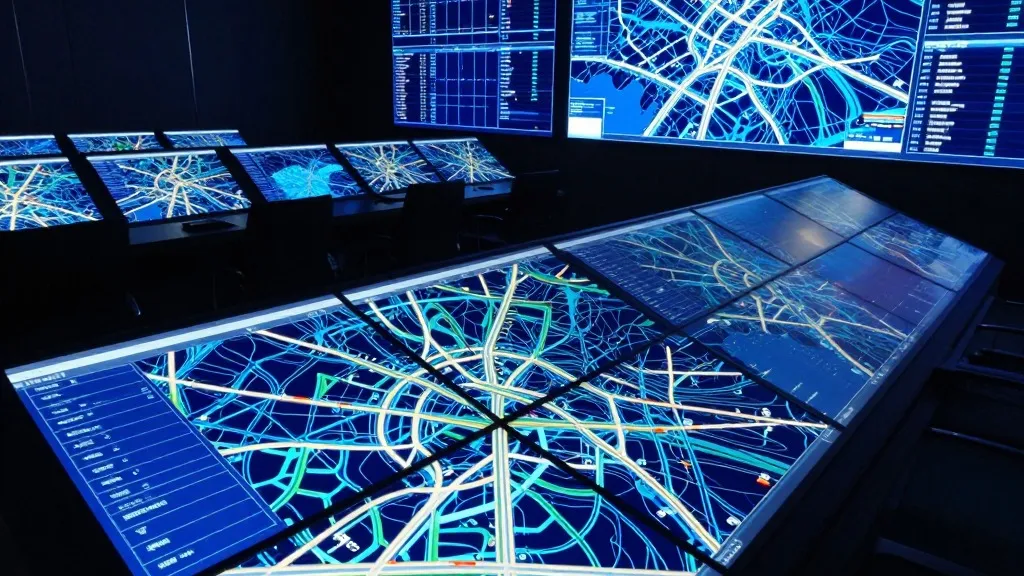
Tesla has officially confirmed it is constructing its own mapping infrastructure to address significant limitations in its Full Self-Driving system. This strategic pivot was announced during the company’s third-quarter 2026 earnings call, where leadership outlined a new approach to handling speed limits, parking, and route selection. The move marks a distinct departure from the company’s long-standing public stance that detailed maps render self-driving systems fragile.
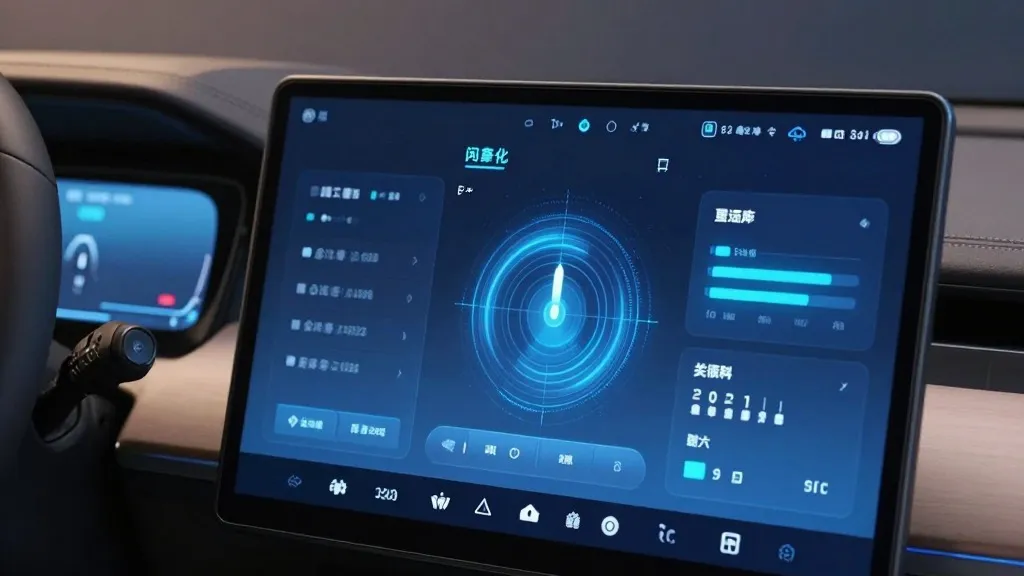
The initiative stems directly from shareholder concerns raised during the Q&A session. A retail investor noted that mapping remains a primary source of error for the software, specifically regarding the interpretation of traffic signs and the management of typical routes. In response, Ashok Elluswamy, Tesla’s Vice President of AI, stated that the company should not rely on external providers. He explained that a new AI-based architecture will utilize data from the entire vehicle fleet to build these maps. The system is designed to learn individual driver preferences and respond to voice commands, moving away from third-party dependencies.
The implementation of this technology is staged. It will initially handle the start and end of trips with the release of FSD version 15. Over the coming months, the system is expected to assume full control over navigation, parking, and destination management. This development follows a history of shifting corporate narratives. In 2015, the company began building high-precision maps with exceptional granularity. By 2019, however, CEO Elon Musk dismissed such efforts as a mistake, arguing that reliance on maps made systems brittle and that lidar was unnecessary.
Recent operational data highlights the specific issues this new map aims to resolve. Last month, a Belgian road safety group found that Tesla vehicles exceeded speed limits in 55 percent of tested zones in Brussels. The cars often displayed incorrect limit values on their screens. In the United States, the National Highway Traffic Safety Administration is considering an investigation into claims that Robotaxis are speeding through active school zones. These incidents underscore the difficulty the current vision-based system has in accurately reading and applying simple road information.
This new direction aligns Tesla’s methodology more closely with competitors like Waymo. Both companies now utilize their vehicle fleets to collect data that informs their respective map layers. While Waymo employs lidar for its initial city mapping, Tesla is using its existing camera-based fleet to generate a continuously updated cartographic layer. This approach supports the company’s current Robotaxi model, which operates within defined geofenced areas. As the map layer becomes more detailed over time, it may evolve to support even more complex driving environments.
The shift acknowledges that a general-purpose vision system requires environmental context to function reliably. By building its own maps from millions of vehicles, Tesla seeks to create a competitive advantage in data richness. The rollout begins with basic trip endpoints, but the long-term goal is to provide a comprehensive navigation layer that reduces reliance on static, third-party data sources. This development is expected to improve the consistency of the driving experience for users in both private and commercial fleets.
Source: Electrek · original report published