Tesla Sets End-2026 Target for Cybercab Customer Deliveries
The automaker plans to begin selling its autonomous two-seater to private owners before the end of the year, though most units will remain in company-controlled fleets.
By Javier Cabrera ·
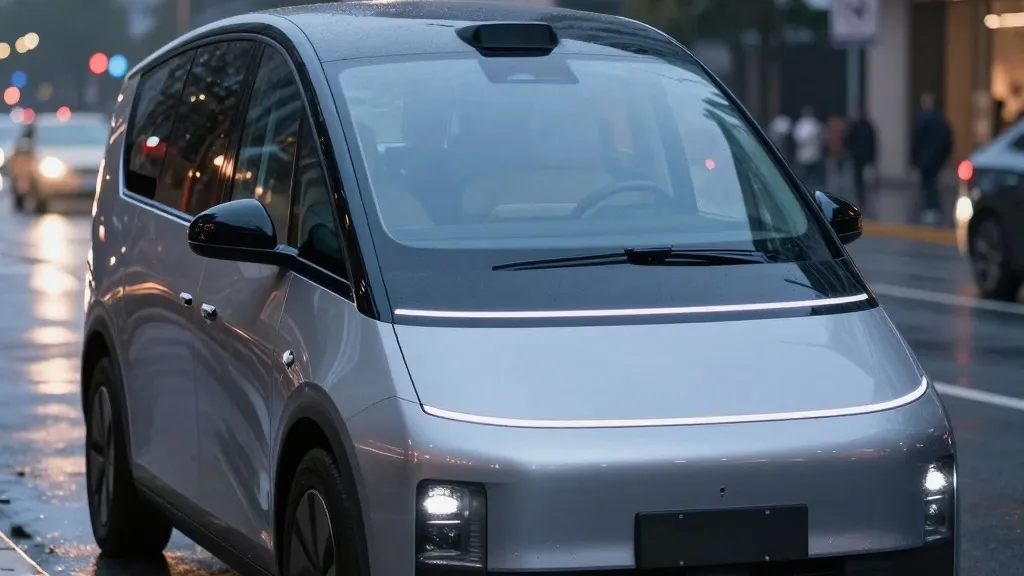
Tesla has officially committed to delivering its Cybercab to private customers by the end of 2026, a move that resolves years of uncertainty regarding the launch timeline for its first purpose-built autonomous vehicle. This announcement, made during the company’s third-quarter earnings call on October 21, marks a critical transition from internal testing to external sales, signaling that the two-seater robotaxi is ready for wider market integration.
The path to this milestone began in February of this year when production of the Cybercab commenced at the Gigafactory in Texas. Throughout the spring and summer, the vehicle remained largely confined to internal testing phases. By early September, the situation shifted as Tesla launched its public Robotaxi service, placing initial units into active operation. This period of real-world usage served as a crucial proving ground for the vehicle’s Full Self-Driving capabilities before the company moved to engage with private buyers.
Lars Moravy, the Vice President of Engineering, provided the specific timeline during the earnings call. He stated that the company is aiming to get Cybercabs into the hands of customers before the calendar year ends. Moravy clarified that while production is currently active on the line, the immediate inventory is being allocated to Tesla’s internal Robotaxi fleet. This strategy allows the company to refine its operational models before scaling up private sales.
The structure of these early deliveries is designed to be incremental. Moravy explained that initial customer handoffs will be small in volume. This cautious approach is intended to help Tesla navigate the complexities of delivery logistics, ownership structures, and fleet management. By starting with a limited number of private owners, the company can gather data on how autonomous vehicles perform outside of its direct operational control, ensuring a smoother expansion in subsequent quarters.
CEO Elon Musk reinforced the strategic positioning of the Cybercab during the same call. He emphasized that the vehicle is primarily a transport-as-a-service product rather than a traditional personal ownership vehicle like the Model 3 or Model Y. Musk noted that the vast majority of Cybercab units will remain Tesla-owned. This distinction is vital for understanding the market dynamics, as it suggests the private sales segment may initially be a secondary channel compared to the company’s direct ride-hailing operations.
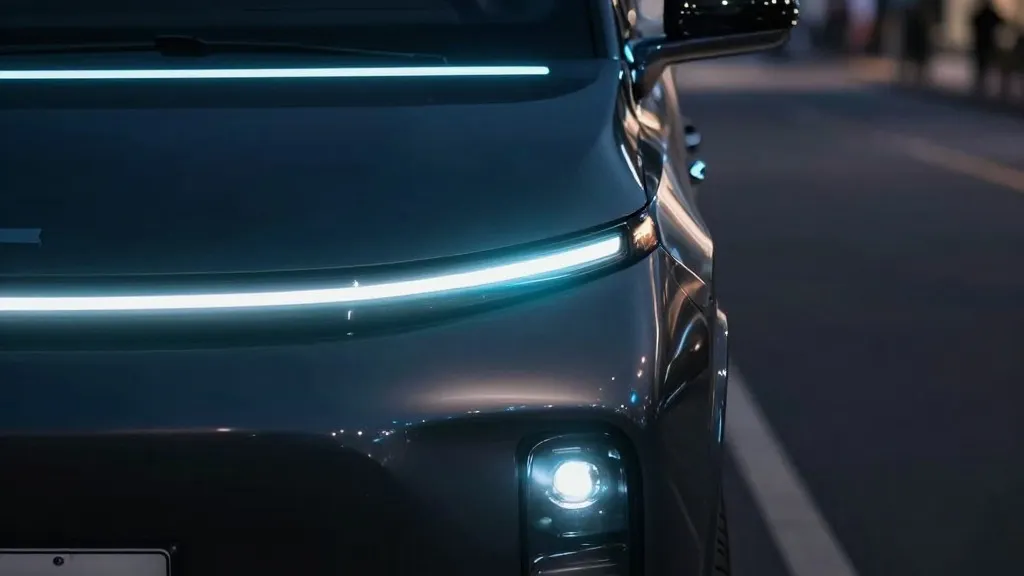
The Cybercab itself is a distinct departure from Tesla’s previous offerings. It is a two-seat vehicle that lacks both a steering wheel and pedals, relying entirely on the company’s Full Self-Driving suite for navigation and operation. This design choice underscores the vehicle’s intended role in an autonomous ecosystem. Tesla has previously indicated that the target price for these units is approximately $30,000, a price point that aims to make autonomous transportation accessible to a broader demographic.
Looking ahead, the broader adoption of autonomous technology in consumer vehicles is on the horizon. Ashok Elluswamy, Tesla’s Head of AI, indicated during the call that unsupervised Full Self-Driving is expected to ship to consumer cars in the second quarter of 2027. This timeline suggests that the Cybercab deliveries at the end of this year are part of a phased rollout, with more widespread autonomy features arriving in standard models the following year.
However, challenges remain before the full realization of these plans. Regulatory agencies may still be playing catch-up with the technology, potentially leading to geographically restricted autonomous operations for early buyers or fleet operators. These hurdles highlight the complex intersection of technological readiness and legal frameworks that Tesla must navigate. As the company moves toward year-end, the focus will be on how effectively it can manage these constraints while delivering on its promise of accessible, autonomous mobility.
For consumers in New England and beyond, the end-of-year target provides a concrete date to watch. While the immediate impact on private ownership may be limited by the small initial scale of deliveries, the announcement solidifies the Cybercab’s place in the automotive landscape. It confirms that the era of purpose-built, driverless vehicles is no longer speculative but is actively entering the market, with the first private owners expected to take the wheel, or rather, the ride, within weeks.
Source: Teslarati · original report published