Sudanese Fares Rise Amid Fuel Scarcity
Transport costs spike as long queues for petrol leave drivers and cleaners with less income.
By Owen Turner ·
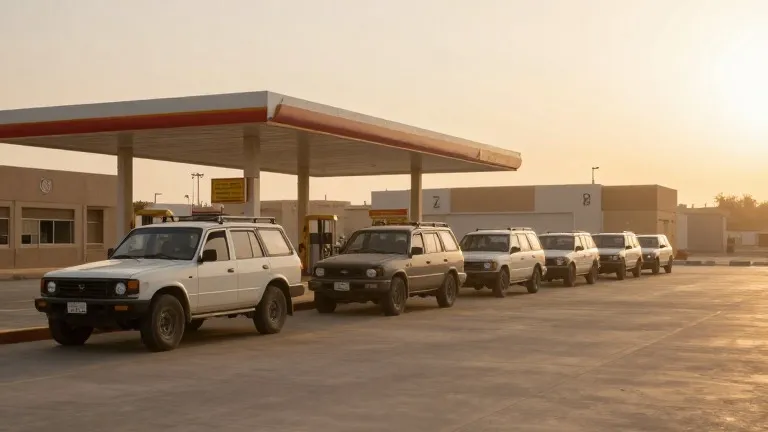
Azhari Mohamed, a 60-year-old minibus driver in Port Sudan, now spends one day in three waiting in line for fuel. His vehicle requires 11 litres of petrol daily, costing 105,000 Sudanese pounds. When he finally reaches the pump, the supply often runs out, forcing him to join a new queue. A single wait can exceed five hours.
The scarcity has pushed up prices and forced the Sudan Transport Chambers Union to increase fares this month. Intercity bus tickets rose by 40%, while minibus fares increased by 30%. For Azhari, who makes seven round trips between the Shagar neighbourhood and the city centre daily, the higher costs eat into his earnings. After paying for fuel, he takes home approximately 50,000 pounds, or $5.40, to support his family.
Passengers face similar strain. Aziza Ibrahim, a 38-year-old cleaner in Port Sudan, supports four children on a monthly salary of 400,000 pounds. Her daily round trip to the city centre now costs 11,000 pounds, a sharp increase from the 700 pounds she paid before the war. Transport now consumes nearly half of her income, forcing her to reduce her work to three days a week to manage expenses.
The financial pressure stems from a war that began in April 2023 between the Sudanese Armed Forces and the Rapid Support Forces. The conflict disrupted oil production, with the World Bank reporting that attacks on the Balila oil field hurt supplies to the Khartoum refinery. That facility previously met about 60% of the nation's demand for petrol and liquefied petroleum gas.
Sudan now relies on imports, but economic analyst Sidi Ohaj said government rules have complicated the process. Importers must deposit 200 kilograms of gold in the Central Bank and own storage facilities. Some traders left the market due to these requirements, reducing supply. Ohaj noted that drone attacks on infrastructure and global market disruptions from the United States and Iran conflict further complicate relief efforts.
Businesses in Omdurman feel the impact as well. Ahmed al-Haj, a trader who packages skincare products, said moving a tonne of goods costs 30 to 50% more due to higher diesel prices. Local delivery fees in Omdurman have doubled or tripled, rising from 5,000 pounds to between 10,000 and 12,000 pounds. Goods are piling up at his premises as transport workers make fewer trips to reach customers in other states.
Source: Al Jazeera