Six Flags CEO John Reilly pledges accountability after Goliath rider killed in fall
The company plans to replace lap bars on the 165-foot coaster and others in its fleet following the fatal ejection of a 42-year-old man in Georgia.
By Amelia Clarke ·
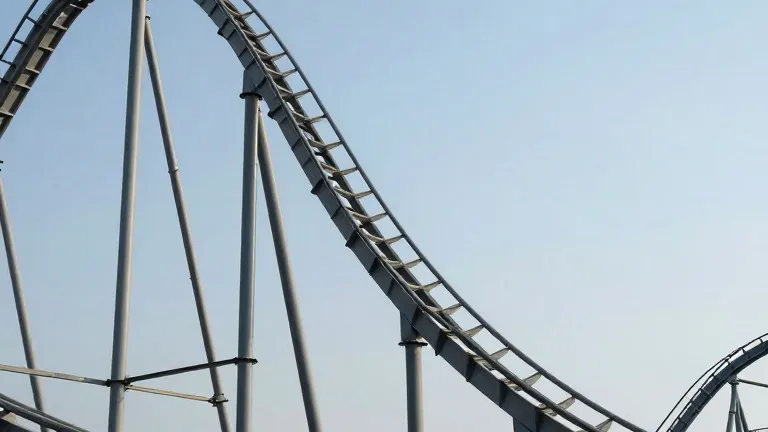
Hassan Jihad Ibn Kariem fell from a height of 165 feet when he was ejected from his seat on the Goliath rollercoaster. The 42-year-old educator and father struck other cars on the ride as he dropped. He died from the fall at Six Flags Over Georgia earlier this month.
The coaster features a second plunge of 180 feet. It currently uses a lap bar design made by Bolliger & Mabillard that locks across the rider's waist. Six Flags CEO John Reilly announced on Friday that the company will install seatbelts on Goliath. Reilly said the change will also apply to other coasters in the park system that use similar restraint systems, though he did not list specific attractions.
The fatal incident prompted the company to temporarily close Goliath. It also shut down eight other rides across five different parks. Georgia authorities have opened an investigation into Kariem's death. The park has engaged an independent firm to review safety procedures for all its attractions.
Reilly addressed the staff and guests in a memo on Friday. "What happened has deeply affected all of us at Six Flags. Safety has always been fundamental to the experience we provide for our guests," he wrote. He added that the company would hold itself accountable to its commitments.
The death at the Georgia park arrives as Six Faces navigates legal disputes regarding its X2 coaster at Magic Mountain. A group of former riders has sued the company, alleging negligence and defective design. Court documents claim the park kept the ride running despite a history of brain injuries. A recent investigation cited at least two deaths linked to X2. Six Flags closed the X2 permanently in September.
The company has not set a specific date for Goliath to reopen. It plans to communicate progress on the restraint changes to the public.
Source: The Guardian