Oil at US$113 adds $36 to Australian fuel tanks as growth forecasts fall
Treasurer Jim Chalmers acknowledges Treasury is cutting growth and raising unemployment estimates ahead of the December budget, citing Middle East conflict and rising debt in the tech sector.
By Javier Cabrera ·
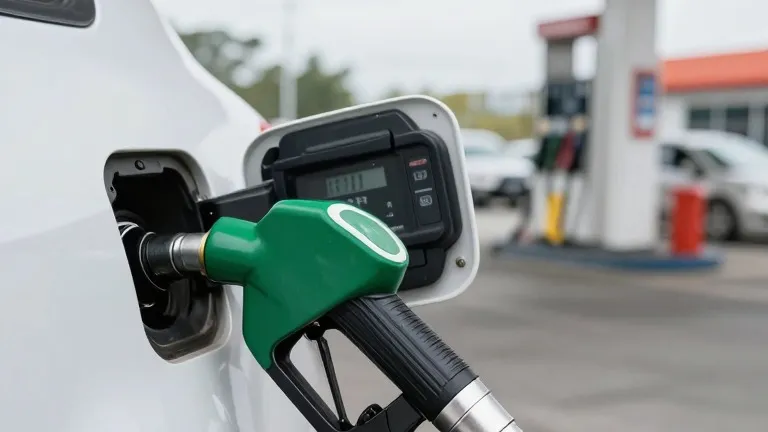
Global oil prices reached US$113 per barrel on Friday, adding $36 to the cost of filling a standard 60-litre tank in Australia. This price point sits close to the April peak of nearly US$120 and reflects a widening conflict in the Middle East following US and Israeli attacks on Iran.
The price increase translates to a 60-cent rise per litre for Australian motorists compared to pre-attack levels. For a family that refuels weekly, this represents an additional $144 in monthly expenses relative to February. These costs are accruing just as the domestic economic outlook deteriorates.
Treasurer Jim Chalmers confirmed that Treasury officials are lowering economic forecasts for the December mid-year budget update. The revised projections include slower growth and higher unemployment. Chalmers noted that the economy is expected to be "a bit better" in a year, a statement that marks a shift from his comments made just last week.
Risks remain elevated. The New York Times reported that the US and Israel have planned to resume attacks on Iran after American midterm elections. Westpac analysts warned that an escalation could push oil prices toward US$150. The International Monetary Fund issued similar warnings earlier this month regarding the potential impact on inflation and interest rates.
Domestic pressures are compounded by global market shifts. Heavy spending on artificial infrastructure has masked broader economic weakness, but investors are now concerned about rising corporate debt. This anxiety triggered a steep sell-off on Wall Street overnight. Community opposition to new data centres may further slow the tech build-out, adding short-term stress to the market.
Reserve Bank Governor Andrew Hauser described the current mix of high inflation, low growth, and rising unemployment as a central banker's "nightmare." Chalmers acknowledged the strain on households, telling Politico, "The pressures on people right now are very substantial and obviously that keeps me awake at night." He noted that the government is partly "hostage" to decisions made in Washington, Tehran, and Eastern Europe.
Policy options for the government are constrained. A temporary cut to the fuel excise tax would lower petrol prices but reduce the Reserve Bank's ability to fight inflation. Alternatively, large spending cuts in the December update could help the central bank but would weigh on a weak economy and raise unemployment. Chalmers stated that high government spending works against the inflation fight, a point frequently raised by the opposition.
Source: The Guardian
More Business · World news · Scam Watch · Report a business · Got a Story?