Kennedy Jr. Pushes HHS to Let Pharmacies Make Six Controversial Peptides
The agency will not pursue legal action against compounding pharmacies making these compounds while a formal rulemaking process continues.
By Amelia Clarke ·
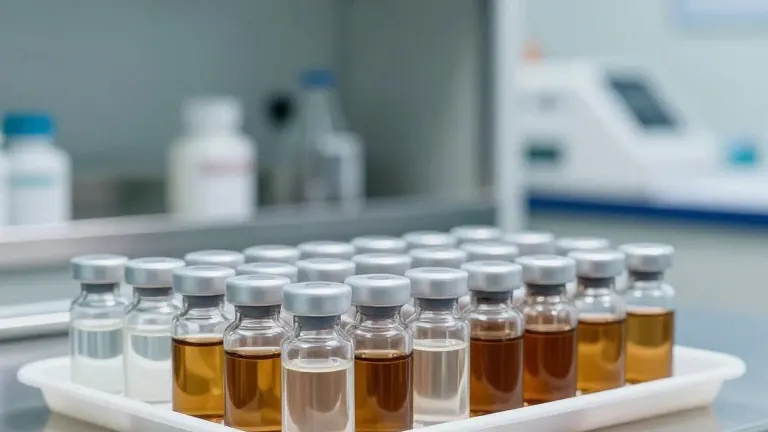
Compounding pharmacies can now manufacture six specific peptides without facing immediate legal penalties from the federal government. The Department of Health and Human Services filed a notice on Wednesday stating it will exercise enforcement discretion. This decision permits pharmacies to produce BPC-157, epitalon, KPV, MOTS-c, semax, and TB-500, even though the Food and Drug Administration has not yet added these ingredients to its official list of permitted bulk drug substances.
These compounds have gained popularity online for claims ranging from accelerated healing to anti-aging effects. Despite this marketing, the FDA has not approved any of the six peptides. Agency scientists determined that existing data is insufficient to prove the substances are safe and effective for human use. To implement this new flexibility, HHS is working on a formal rule change, a process that typically involves public comment and can take several months.
The policy shift responds to a growing gray market where sellers label peptide products for research use only to avoid regulatory oversight. Health Secretary Robert F. Kennedy Jr. and other officials argue that allowing compounding pharmacies to make these drugs will steer consumers away from unregulated sources. HHS spokesperson Emily Hilliard stated that the department aims to center health care on patient safety, which includes confronting the risks associated with black-market peptides.
Under the new guidelines, pharmacies must certify the identity and purity of the compounds they produce. They are also required to report side effects, a mandate that was not previously in place for these substances. The FDA moved toward this regulatory framework in July when an advisory panel voted narrowly to recommend adding the peptides to the bulk substance list. That panel included six new members with ties to the peptide industry and another member who is the son of a U.S. representative advocating for wider peptide access.
Critics of the move have voiced strong opposition. Dr. Peter Lurie, who leads the Center for Science in the Public Interest, described the agency's action as turning a blind eye to expand access to unproven drugs. Shabbir Safdar, executive director of the Partnership for Safe Medicines, warned that both the enforcement discretion and the upcoming rule change would expose Americans to untested dangerous substances. He noted the implications of a top drug regulator announcing it will not enforce laws regarding the distribution of untested compounds.
The FDA is scheduled to meet with outside groups, including Medivant Healthcare, a compounding pharmacy that offers peptides, on Tuesday and Wednesday. These meetings are part of the ongoing regulatory process to formalize the inclusion of these substances in the compounding framework.
Source: NBC News
More News · National news · Report a business · Got a Story?