Butte County clerk rejects DOJ demand to set aside 47 ballots over flawed list
Keaton Denlay said federal agents provided a jumbled spreadsheet with missing data and threatened criminal prosecution if he did not act within 48 hours.
By Javier Cabrera ·
Keaton Denlay, the clerk-recorder for Butte County, declined to act on a federal demand to set aside ballots from 47 alleged noncitizens. He cited errors in the Department of Justice document and a threat of criminal prosecution if he failed to comply. The county is located north of Sacramento and has a population of 209,000.
On Friday at approximately 3:30 p.m., an agent from the Department of Homeland Security hand-delivered paperwork to Denlay's office. The package included a demand letter signed by Eric Grant, the US attorney for the eastern district of California. The letter misspelled Denlay's name as 'Danlay.' It attached two declarations and a two-page list of names. The DOJ stated the list contained 47 'likely aliens' who were unlawfully registered to vote. The letter requested social security numbers and ordered the county to segregate, not cancel, the associated vote-by-mail ballots.
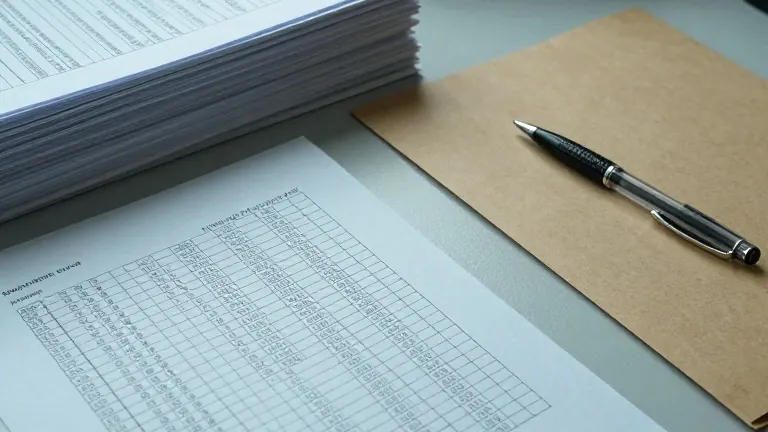
The federal office gave Denlay 48 hours to respond. The letter warned that officials who knowingly tabulate ballots from noncitizens risk becoming 'aiders and abettors to a federal crime.' Denlay said the document appeared to be a printout of a poorly formatted Excel spreadsheet. Columns were too narrow, causing information to be cut off. He noted that the fields did not match his county's database.
Denlay stated that the list contained only 46 names, not the 47 claimed by the DOJ. One name appeared twice, leaving 45 distinct individuals. Of those 45, 32 were not on Butte County's active voter rolls and had not been sent ballots. Seven names lacked sufficient details for cross-referencing, such as full addresses or dates of birth. This left six names that might be ineligible to vote.
In a statement published on the county website, Denlay wrote that the DOJ had not met the legal burden of proof required to challenge a voter's eligibility. California law requires a challenger to establish 'extraordinary proof' at the time of the challenge. He described the government's effort as sloppy and said he was not losing sleep over the threat because he was upholding his oath. He personally reviewed the records so his staff could focus on election duties.
Denlay said he experienced a 'rollercoaster of emotions' upon receiving the documents. He emphasized that claims of election crimes require concrete evidence, which he felt was missing. He has not received a digital copy of the spreadsheet or further communication from the DOJ. A spokesperson for the US attorney's office declined to comment, while a DHS spokesperson did not respond to inquiries.
Other California officials reported similar issues. Francisco Diaz, the registrar of voters for San Benito County, said his office received a list of 33 names, some of whom were not registered. He stated his office would not be rushed into compromising confidential voter data. The Orange County registrar said the letter was initially sent to the wrong office, the clerk-recorder, who handles marriage licenses and property deeds. Legal experts described the DOJ threats as intimidation tactics, noting that local leaders were following the law by declining to comply.
Denlay said he wanted voters to feel confident in state procedures. He noted that active voters meet all federal and state criteria. He added that election officials are doing everything normally required to secure a successful election.
Source: The Guardian