Hugging Face's Microduck robots sell 20,000 units after Nvidia CEO demo
Open source devices from Pollen Robotics became instant hits following a viral moment at GTC Berlin.
By Owen Turner ·
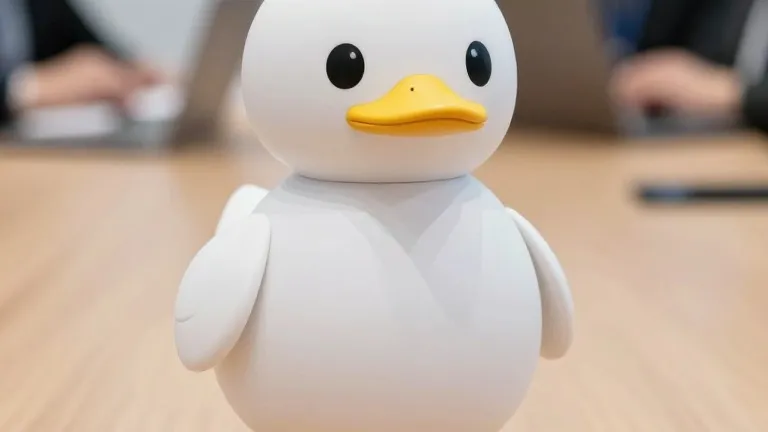
Preorders for the Microduck robot surpassed 20,000 units within a day of Jensen Huang playing with the devices during his keynote at GTC Berlin. Clem Delangue, head of Hugging Face, confirmed the sales figure in a tweet on Wednesday. The video of Huang interacting with the flock went viral after the robots performed voice-activated tricks, including sitting, falling over to simulate naps, and performing somersaults while making small robotic noises.
The devices are scheduled for delivery before Christmas, positioning them as potential top-selling holiday toys. Delangue suggested the robots could become the best-selling robot of the year and noted that promotional materials feature adults using the devices, not just children. The Microducks are open source hardware originally developed by Pollen Robotics. Hugging Face acquired Pollen in 2025, and Nvidia purchased Hugging Face in September, making the robots part of the GPU manufacturer's portfolio. The Microducks represent the second robot from Hugging Face, following the Reachy Mini.
Pollen Robotics trained the Microducks using Nvidia's technology stack. Simulations taught the robots basic behaviors such as walking, sitting, and standing, which are included in the initial software. Owners can teach their specific units new tricks and share those behaviors with the wider community. The rapid sales increase followed a week in which the AI industry faced criticism for its role in several cyberattacks, providing a lighter counterpoint to the news cycle.
The combination of the viral demo and the holiday timeline has driven immediate consumer interest. The robots are small enough to be handled easily and are designed for interactive play. Their open source nature allows for community-driven development, a feature that distinguishes them from traditional closed-system toys. The quick uptake suggests a strong market for accessible, cute robotic companions.
Source: TechCrunch