Digital Nostalgia: Apple Unveils Interactive iPod Replica for 25th Anniversary
Apple Music's website now features a functional web-based homage to the classic music player to mark two decades and a half since its launch.
By Owen Turner ·
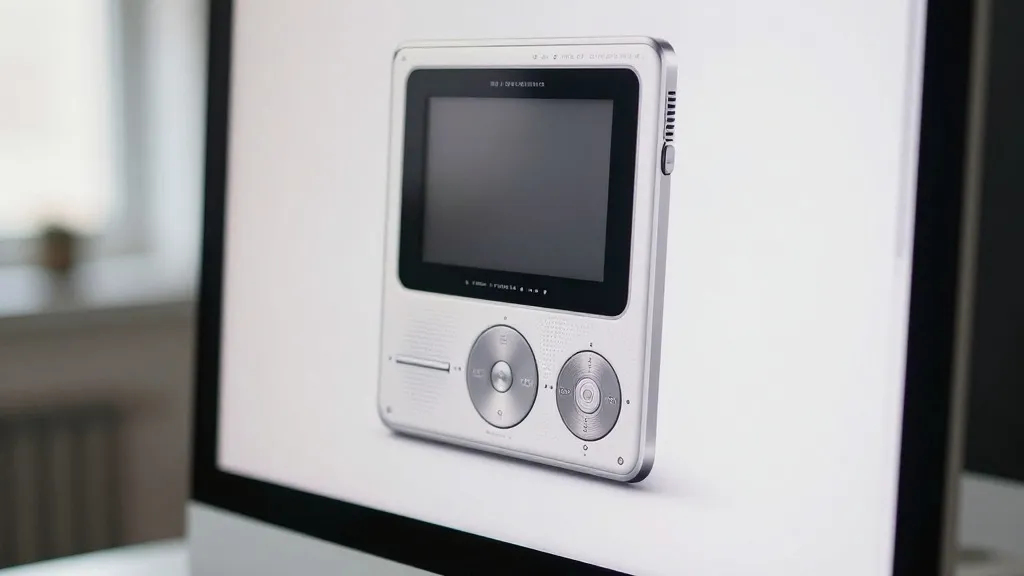
On October 23, 2026, Apple marked the 25th anniversary of the iPod by introducing a hidden interactive feature on its online music platform. For visitors who access specific web addresses, the standard error page has been replaced with a working digital replica of the original device. This change allows users to engage with a nostalgic interface that mimics the physical controls of the hardware released in 2001, offering a direct connection to the product that defined a generation of portable audio.
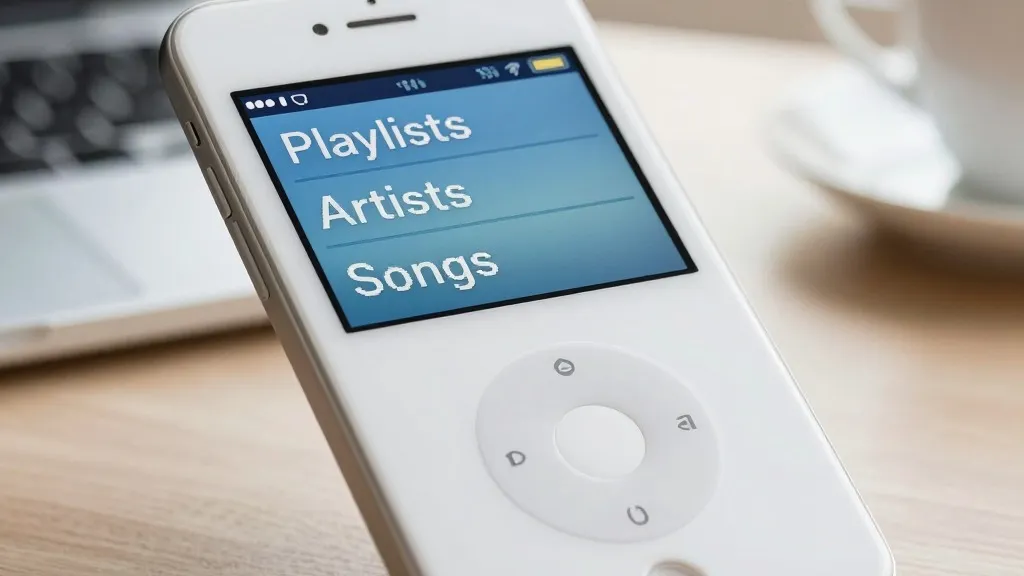
The tribute was first identified by a user on the social media platform X who noted the unusual behavior of Apple Music's web domain. When a visitor navigates to the URL music.apple.com/ipod or appends any non-existent path to the music.apple.com address, the browser displays the classic player rather than a typical message indicating missing content. The design closely mirrors the iconic aesthetic of the original hardware, providing a visual and functional link to the past without requiring any additional software installation.
The virtual device is fully interactive, responding to user input in a manner that reflects the physical experience. Clicking the on-screen buttons allows users to navigate through a curated selection of tracks. The scroll wheel is also functional, enabling users to click and drag around the interface to scroll through the library, much like turning the wheel on the physical player. This attention to detail ensures that the web experience feels authentic to those who remember using the original device.
The music available on this digital iPod consists of tracks from artists who were prominent when the product launched in 2001. Selecting a song plays a 90-second preview directly within the web interface. This approach allows users to hear the audio without needing a separate application or a subscription to the full streaming service, making the tribute accessible to a broad audience. The choice of music reinforces the historical context of the device and the cultural moment of its release.
Although the physical iPod has been discontinued for several years, this web-based easter egg suggests that the device continues to hold a significant place in the memories of many fans. Apple has not made the hardware available in recent years, and this digital version offers a small but meaningful way to revisit the look and feel of the product. The feature serves as a lighthearted nod to the device's legacy rather than a formal product announcement or a signal of a hardware return.
There is no indication in the available details that Apple plans to release any new physical products or services beyond this web tribute for the anniversary. The company has kept the feature relatively low-profile, allowing it to be discovered by users exploring the site. This approach aligns with Apple's history of using subtle easter eggs to celebrate milestones, providing a moment of reflection for users who grew up with the original player.
The discovery has sparked conversation among tech enthusiasts and former users. While the feature is primarily a tribute, it highlights the enduring impact of the iPod on the music industry and consumer technology. The simplicity of the web interface ensures that it is easy to access and use, requiring only a standard web browser. This accessibility makes it a simple way for users to connect with a piece of technology history.
For those who prefer streaming services, Apple Music remains available at a cost of $11.99 per month. The service is also included in the Apple One bundle, which combines multiple Apple services into a single subscription. The anniversary tribute does not change the pricing or availability of these services, but it adds a layer of historical context for users engaging with the platform. The feature stands as a testament to the lasting influence of the iPod on how people listen to music.
Source: 9to5Mac