The $1,999 iPhone Duo brings new flexibility and familiar fingerprint security
Apple's first foldable device trades facial recognition for a side button and offers a premium experience that requires patience for software adjustments.
By Owen Turner ·
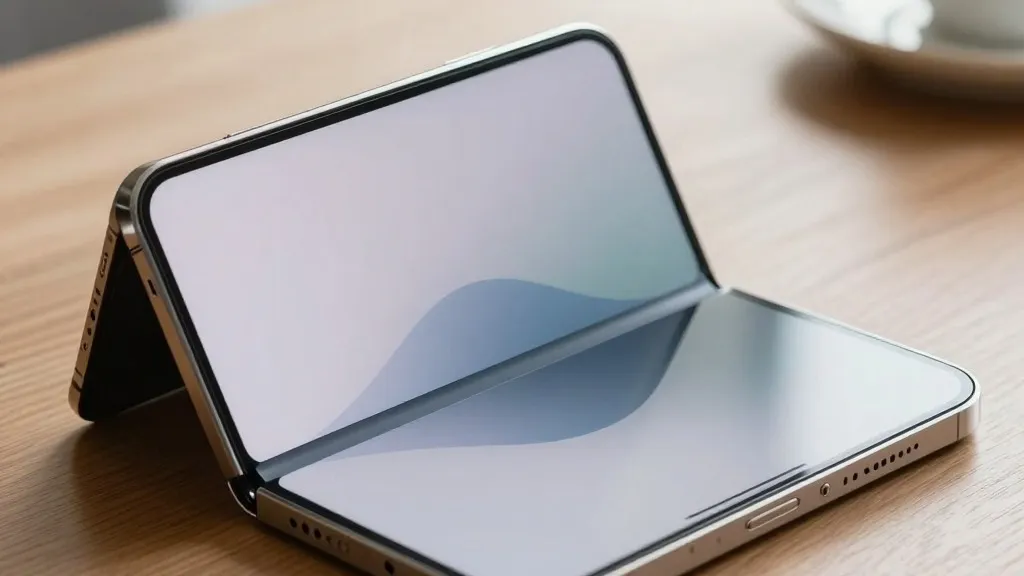
Apple has finally entered the foldable smartphone market, releasing the iPhone Duo seven years after Samsung pioneered the category with the Galaxy Fold. The new device carries a price tag of $1,999, positioning it as a premium option for consumers seeking a larger display in a portable form factor. Early assessments suggest that the extended development period has resulted in a polished piece of hardware, though users should be aware of several software and accessory considerations before purchasing.
Software adaptation is the most immediate challenge for new owners. The device features a 5.4-inch outer screen and a 7.6-inch inner display, a configuration that is new to Apple. While the company's own redesigned applications display well, many third-party programs currently appear as narrow strips centered on the screen with thick black bars on the sides. Applications such as Slack, Instagram, DoorDash, and WhatsApp have been updated for iOS 27.1, but some still show broken interface elements. Apple has also shifted navigation controls to a right-side rail instead of the bottom center. Since the phone is back-ordered for several weeks, developers may have time to finalize optimizations before many buyers receive their devices.
The iPhone Duo marks a significant departure from recent design trends by eliminating Face ID. Apple has replaced facial recognition with Touch ID, placing the sensor on the right edge of the device. This is the first time a flagship iPhone has used a fingerprint reader, a feature that has previously been limited to the iPhone SE, iPads, and MacBooks. The change may appeal to those who preferred the tactile confirmation of a fingerprint scan, while others might miss the speed of facial authentication. The Dynamic Island remains on the device, relocated to the top right edge near the outer selfie camera.
Accessories require some adjustment for the new form factor. Although the phone supports MagSafe, attaching it to car docks or tripods while unfolded causes it to tip due to uneven weight distribution. Third-party manufacturers may need to update their mounts with anti-rotation magnets to solve this issue. Magnetic wallets also present a problem because the Duo is shorter than standard iPhones, causing the wallet to extend past the bottom edge without an official fix from Apple.
Photography capabilities are a standout feature, allowing users to take selfies using the higher-quality rear cameras while previewing on the outer screen. A specific control brings the full camera interface to the outer display, disabling the inner screen to prevent accidental touches. The device also includes a Duo Preview mode for the subject and a Kids Cue feature that uses Snoopy animations to attract a child's attention. For multitasking, users can run two apps side by side and lock them as a pair for quick access, although they cannot be saved as a single icon.
Care must be taken with the inner display, which features a matte nano-texture finish that Apple describes as integral to the device. The company warns users not to attempt to remove this finish, as doing so could void the warranty. A damaged finish can be replaced for $19 with warranty coverage or $49 out of warranty, while a cracked inner display costs $999 without AppleCare+. A software update later this year will also add support for the USB-C Apple Pencil, enhancing writing and drawing capabilities on the textured screen, though there is no built-in storage for the stylus.
Source: Wired