BBC retains grainy ocean footage to prove Blue Planet III is real
Executives explain why they kept murky water and unpolished shots in the new David Attenborough series to counter growing skepticism about artificial intelligence.
By Javier Cabrera ·
Artificial intelligence has changed how viewers judge visual media. The BBC responded by keeping the flaws in its new nature documentary. The producers of Blue Planet III intentionally preserved cloudier, less polished footage. They want to prove the images are real before the series airs.
The strategy relies on imperfection. In previous productions, editors often removed scenes with heavy plankton or poor water visibility. They also cut shots that included boats or buoys. Executive producer Elizabeth White explained that the team is now "really leaning into that authenticity." She noted that the deep ocean animals are likely more remarkable than AI could imagine, and the footage is completely real.
Jack Bootle, the BBC's head of specialist factual commissioning, offered a specific guarantee to journalists. He stated that no generative AI was used in the series. He emphasized that not a single frame was generated by a computer. Instead, every image comes from real photography. This assurance addresses a common fear that stunning nature clips might be digitally created.
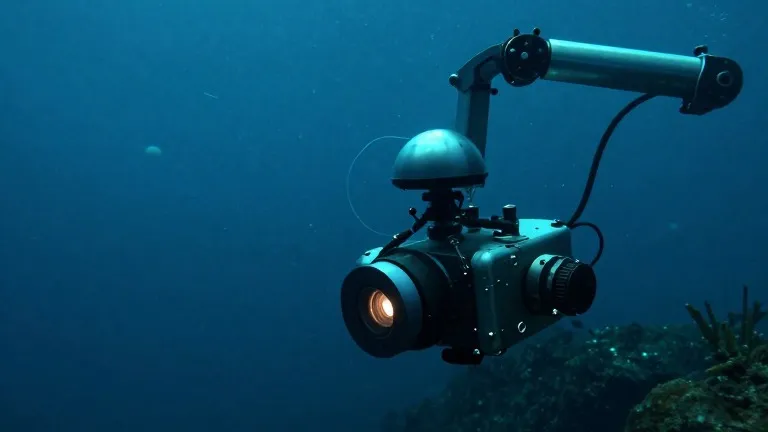
The series features several firsts in wildlife observation. The production team developed an underwater CCTV camera nicknamed the "stonefish" cam. Producer and director Yoland Bosiger used this tool to record dolphins using sea sponges to block holes in coral. This method helps them trap fish. Other new sightings include groupers communicating with other fish species and 200,000 crabs lining up in formation to feed.
Technical innovation drove the capture of these rare behaviors. The crew built a "mini-dome" camera to follow an octopus. They also created a "deep-sea selfie stick" for unique angles. Camera operators wore leg-mounted scooters to capture immersive diving footage. Lasers were used to film animals in the deep sea. These tools allowed the team to document life in ways that were previously difficult or impossible.
The narrative also addresses environmental threats. One episode shows how warmer seas are killing the sea anemones where clownfish live. The fish attempt to repair their damaged homes. The series continues the focus on plastics from the 2017 installment Blue Planet II. White said the new program covers pollutants and forever chemicals, linking current events to long-term ecological damage.
Filming took four years across five oceans. The series is narrated by David Attenborough, who is 100 years old. Producer Lara Bickerton said the unit continually innovated to save money and time. The production used more local crews on location than earlier series. This approach helped offset costs during a period of budget cuts at the BBC.
Blue Planet III begins on Sunday 1 November on BBC1 and iPlayer. The timing places the release almost ten years after Blue Planet II and 25 years after the first series. Audiences will see a blend of stunning visuals and deliberate rough edges as proof of the real world.
Source: The Guardian