Tesla delays unsupervised self-driving to Q2 2027
Tesla has postponed the release of unsupervised self-driving to the second quarter of 2027.
By Owen Turner ·
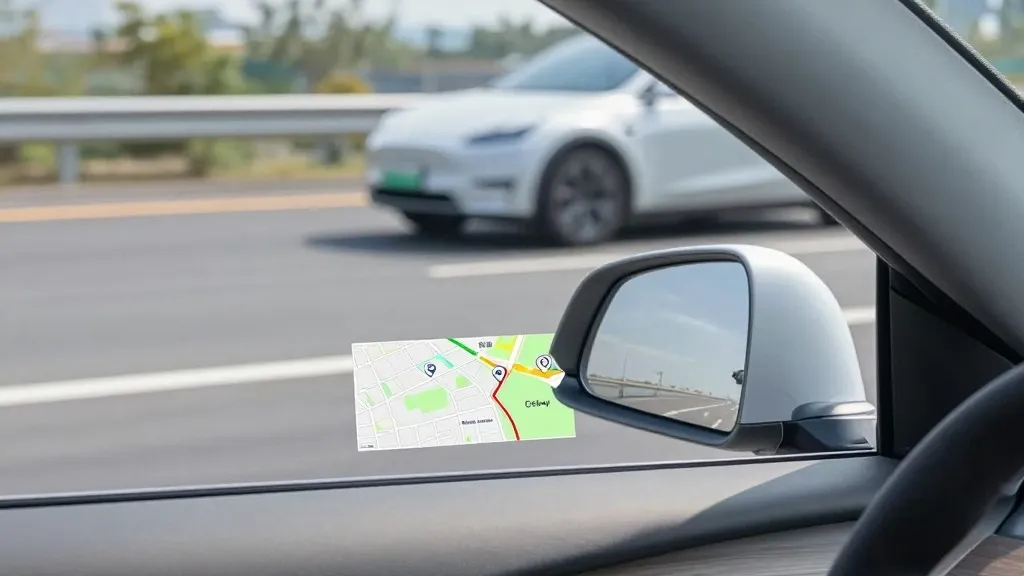
Tesla has postponed the release of unsupervised self-driving to the second quarter of 2027. This is the latest date on a promise Elon Musk has been making to FSD buyers for the better part of a decade. But there’s a catch: owners will only be able to use their cars for unsupervised driving within Tesla’s managed Robotaxi zones.
The question shareholders actually asked was about when unsupervised FSD would be available in customer cars. Elluswamy’s answer was Q2 2027. And the way he framed it, step one isn’t a software update that lets you climb into the back of your Model Y and sleep while it drives you to your destination, what Elon Musk sold to customers since 2016. It’s Tesla letting owners put their cars into its own Robotaxi network, where Tesla runs the operation.
Tesla’s Robotaxi service runs in six US metros right now, and most of the service areas cover small slices of those cities. When Tesla mapped its Miami Robotaxi zone, it covered mostly West Miami and a strip toward Doral and Sweetwater. Orlando and Tampa launched in July with similarly small geofences.
Inside those zones, the service sticks to low-speed routes, largely stays off highways, and avoids the harder parts of town. In the Bay Area, it isn’t unsupervised at all. California rules still require a safety driver in every car because Tesla doesn’t want to release data to the California DMV, which it has to do beyond a level 2 autonomous system.
The fleet is small too. Tesla says Robotaxi reached nearly 2 million cumulative unsupervised miles by the end of Q3, a month after Cybercab joined the Austin fleet, according to Tesla’s Q3 2026 results. Third-party tracking this spring showed the number of fully driverless Teslas on the road in the dozens, nowhere near the hundreds of thousands Musk had talked about. Waymo, meanwhile, was already in both Orlando and Tampa before Tesla showed up, and it has over 3 million miles.
The promise vs. the product: that’s not what Tesla sold. For years, the pitch to FSD buyers was a car that would eventually drive itself anywhere through a software update.
Source: Electrek · original report published