Tesla abandons right-hand drive push, canceling Australian Cybertruck orders after seven years
The automaker voids thousands of reservations in a strategic retreat, prioritizing immediate model sales over the costly engineering required for a niche electric pickup.
By Amelia Clarke ·
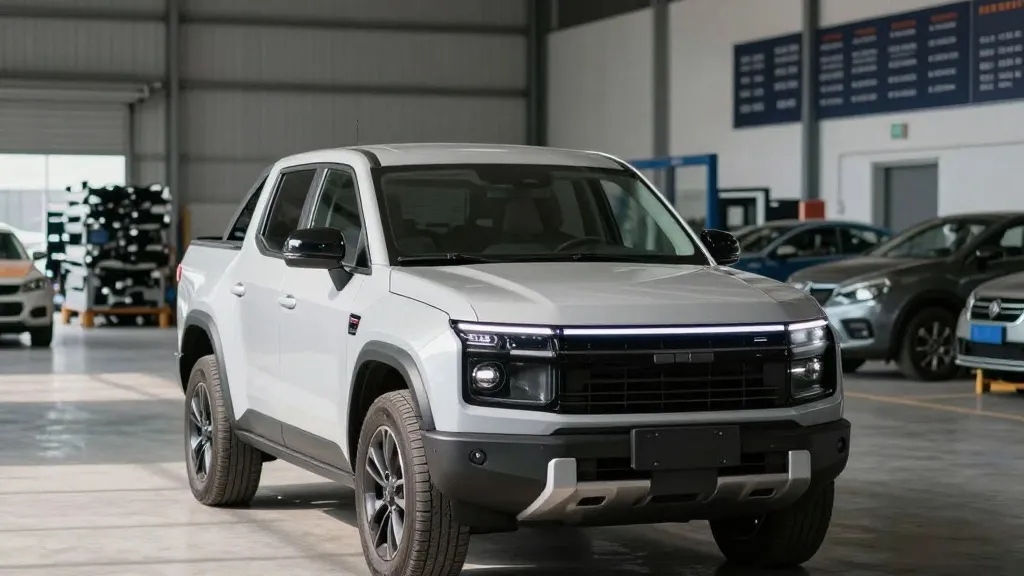
Australians and New Zealanders who have waited nearly seven years for an electric pickup truck have been told by Tesla that their orders are no longer valid. The automaker officially discontinued plans to produce the Cybertruck for these right-hand drive markets, sending emails today to refund all deposits. This move resolves a long-standing tension between Tesla's global expansion ambitions and the specific engineering costs required to adapt its flagship truck for regions where drivers sit on the right side of the vehicle.
The cancellation comes with a full refund for all payments made, which Tesla promises to process within 30 days. To soften the blow, the company is offering a free one-year subscription to its Full Self-Driving (Supervised) system for anyone who places an order for a new Model 3 or Model Y. This strategy appears designed to convert dormant reservations into sales for vehicles that Tesla already manufactures in right-hand drive configurations, rather than investing in a new production line for a truck that is facing softening demand in North America.
The roots of this decision trace back to November 2019, when Tesla began accepting A$150 deposits from Australian customers. For nearly seven years, these reservation holders sat on hold as the company delayed the launch. While Tesla never officially confirmed regional reservation numbers, crowdsourced data from 2020 suggested Australia held the third-largest share of global reservations, behind the United States and Canada. By 2023, total reservations worldwide were estimated at around two million, though the specific volume for the Australian market remains an internal figure.
Signs that the launch was slipping began appearing in May 2022, when Tesla quietly closed the Australian reservation page and replaced it with a simple update notification button. At that time, the company did not refund anyone, leaving customers in limbo. In 2024, a Cybertruck arrived in Australia for a display tour, and CEO Elon Musk told shareholders that certification for other markets might happen the following year. That timeline passed without a right-hand drive version ever materializing.
The primary obstacle has always been the vehicle's design. The Cybertruck is built exclusively in left-hand drive, making it incompatible with the driving regulations in Australia, New Zealand, the United Kingdom, and Japan. Australia also requires specific certification under its own design rules. For a truck that is already experiencing demand fluctuations in its home market, the expense of re-engineering it for right-hand drive is a significant hurdle that many financial analysts argue is difficult to justify.
Tesla's recent international launches reflect a pattern of favoring left-hand drive markets only. Deliveries began in South Korea late last year, followed by the United Arab Emirates in January. Configurator options have since opened in Saudi Arabia, Qatar, Jordan, and Israel. The truck remains blocked from entering the European Union, primarily due to pedestrian safety concerns. This selective expansion suggests Tesla is focusing on markets where the existing left-hand drive inventory can be sold without modification.
Financial data from the third quarter of 2026 underscores the difficulty of this decision. Tesla reported delivering just 8,295 units in its 'Other Models' category, a segment that now consists almost entirely of Cybertrucks since the Model S and X ended production. Estimates place quarterly Cybertruck sales between 7,000 and 8,000 units, or roughly 30,000 per year. This pace is far below the 250,000 annual capacity of the production line, making a major investment in two markets with a combined population of 33 million people a risky bet for any chief financial officer.
This announcement arrives just one day after Tesla reported its third-quarter earnings, highlighting the urgency of the decision. While some Australian customers may have already canceled their pre-orders due to the truck's higher price and reduced range compared to initial promises, the formal cancellation provides closure. The move confirms that the Cybertruck is becoming a niche product primarily for North America, with international sales limited to buyers of the existing left-hand drive inventory.
The situation has sparked debate among enthusiasts and critics alike. Some point out that Tesla held deposits for four years after closing the order page without providing clear communication, while others note that the 2023 vehicle differs significantly from the 2019 reservation. Ultimately, Tesla is prioritizing its core sedan and SUV models, ensuring that the resources required for a right-hand drive pickup are instead directed toward vehicles that are ready for immediate global delivery.
For New England readers, this story offers a broader look at the challenges of globalizing electric vehicle fleets. As manufacturers navigate the complexities of international regulations and production costs, the Cybertruck's absence from the Australian and New Zealand markets serves as a case study in the economic realities of niche vehicle engineering.
Source: Electrek · original report published
More Business · Scam Watch · Report a business · Got a Story?