Isaacman Pledges 2028 Moon Landing
SpaceX engineers pushed the agency to move Starship docking from lunar orbit to high-Earth orbit.
By Owen Turner ·
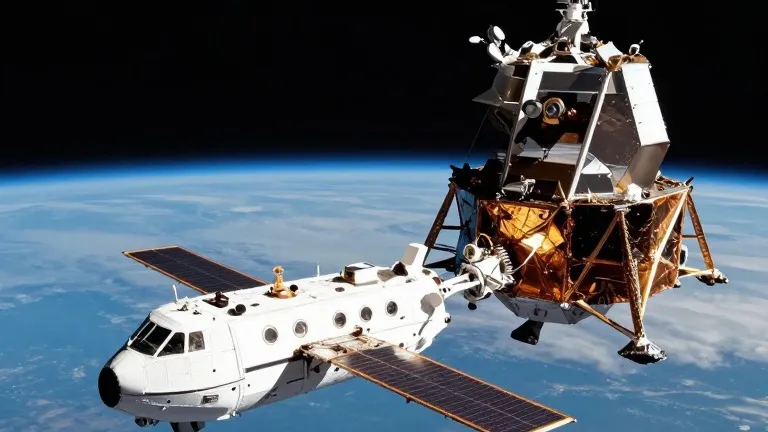
NASA officially targeted 2028 for the next crewed mission to land on the lunar surface. Agency officials detailed this timeline during a lengthy press conference on Friday, marking the first time the full mission architecture was publicly explained in depth.
The most substantial change in the plan involves the docking procedure for SpaceX’s Starship vehicle. Previously, Starship was required to meet the Orion spacecraft in a near-rectilinear halo orbit around the Moon. Under the new protocol, Orion will dock with Starship in high-Earth orbit. The combined spacecraft will then travel together toward the Moon.
NASA Administrator Jared Isaacman expressed confidence in the revised schedule. He stated, "This is an achievable path we are on right now." Isaacman noted that the agency has the mandate, resources, and stakeholder support necessary to execute the plan as intended.
The shift in Starship operations stems directly from requests made by SpaceX engineers. During meetings in early 2026, the company’s technical team argued that the previous lunar docking requirement demanded excessive energy and introduced operational difficulties. The cancellation of the Lunar Gateway project earlier this year removed a key dependency that had complicated the earlier design.
Blue Origin’s proposed approach remains distinct. Their architecture relies on four separate launches of the New Glenn rocket. Unlike the SpaceX plan, the Blue Origin sequence does not involve refueling one spacecraft from another. The agency has not yet finalized whether the Blue Moon lander will meet Orion in low-lunar orbit or follow a different trajectory.
NASA maintains that the Artemis III mission is still on track for summer 2027. This upcoming flight will serve as a demonstration, with Orion docking near Earth alongside both the Blue Moon and Starship vehicles. The actual surface landing is reserved for Artemis IV in 2028.
While the agency has reviewed every element of the Artemis program to accelerate progress, the ability of partners to meet these specific dates remains a point of scrutiny. The new plan represents a clear departure from earlier designs, driven by the technical constraints identified by the lander manufacturers.
Source: Ars Technica