Federal Reserve expected to hold interest rates steady before midterms
Chair Kevin Warsh is set to keep borrowing costs at 3.9% on Wednesday despite rising prices from the Iran war, with a decision coming less than a week before voters head to the polls.
By Amelia Clarke ·
The Federal Reserve is expected to maintain its benchmark interest rate at 3.9% on Wednesday, leaving the cost of borrowing unchanged for the second consecutive month. This decision arrives just days before the midterm elections, where the cost of living has become a central issue for voters. The bank will pause its recent tightening cycle even as inflation indicators have accelerated in the past two months.
Chairman Kevin Warsh faces a complex economic environment as he manages the nation's monetary policy. The Fed raised its key rate in September, moving it from approximately 3.6% to 3.9%, marking the first increase in three years. That move was interpreted by many market participants as a renewed effort to suppress price growth. However, the central bank will not repeat that action this week, opting instead to hold rates steady despite the recent uptick in consumer prices.
Inflation pressures have intensified due to the conflict in Iran, which has driven up oil and gas prices. Consumer price data showed a year-over-year increase of 3.7% in September, a sharp rise from the 2.4% rate recorded in February before the war began. On a monthly basis, prices rose by 0.3% in both August and September. A separate measure, the personal consumption expenditures price index, is forecast to have jumped to 3.6% year-over-year in September, up from 3.4% in August. Core prices, which exclude volatile food and energy categories, are expected to have risen by 3.1% over the same period.
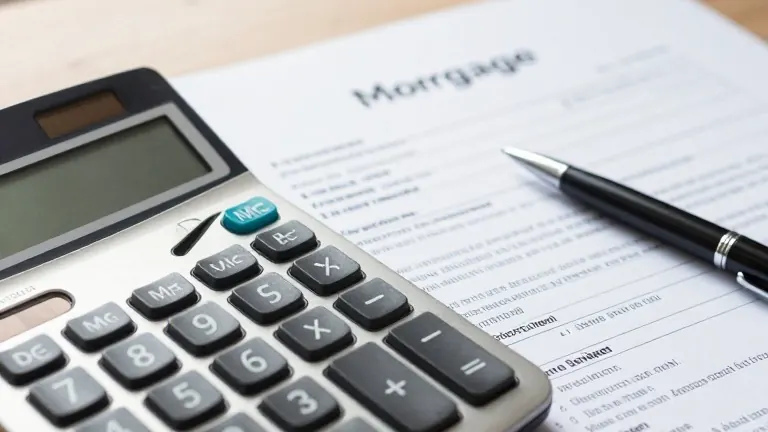
Higher interest rates are already straining household budgets, particularly in the housing market. The average 30-year mortgage rate hit a three-year high of 7.4% earlier this month before slipping slightly. Oxford Economics estimates that these elevated rates have made home ownership unaffordable for an additional five million Americans since the start of the year. This financial pressure contributes to a growing sense among consumers that essential goods, including cars and groceries, are becoming more expensive.
President Donald Trump criticized the Federal Reserve for its September rate hike, though he largely attributed the decision to the broader policy committee rather than Warsh, whom he appointed. Some structural forces driving current inflation, such as the rapid expansion of artificial intelligence infrastructure and energy costs, may not respond easily to higher borrowing costs. Aditya Bhave, head of U.S. economics at Bank of America, argued that policymakers have grown too comfortable with above-target inflation. He warned that rising diesel costs would increase shipping prices for nearly every type of good, potentially spreading inflation across the economy.
Bhave stated that unless the Fed treats the inflation problem more seriously, the 2% target may not be reached until the next recession. Warsh is expected to address these concerns at a news conference following the rate decision. He will likely reiterate the Fed's desire for a timelier return to the 2% inflation target. Such language may signal to investors that a rate increase could occur at the next meeting in December, a move already anticipated by many Wall Street analysts.
The economic backdrop remains strong, with unemployment holding at 4.2% and government data expected to show third-quarter growth of 3%. This figure would represent an increase from the 2.2% growth rate seen in the second quarter. Many economists view this solid growth as evidence that the economy can withstand higher interest rates. The Fed's meeting coincides with other global central bank decisions, including the Bank of Canada, which is forecast to raise its key rate to 2.5% on the same day.
Source: Boston Herald
More Business · Scam Watch · Report a business · Got a Story?