Chinese Youth Adopt Mossy Bricks as Low-Cost Companions
A growing trend among young adults involves cultivating moss on bricks, offering a simple alternative to pets or children in a competitive job market.
By Javier Cabrera ·
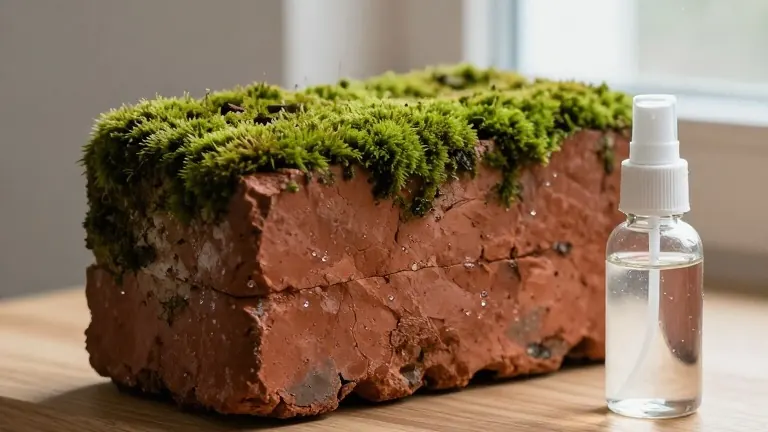
Young adults in China are increasingly turning to mossy bricks for companionship, a practice they describe as a low-effort substitute for pets or children. Participants in this trend, who refer to themselves as brick parents, care for their mossy blocks, or brick babies, with minimal resources.
The maintenance routine requires little more than spraying the brick with water several times a day. Owners rely on moss spores already present in the air to settle and grow on the surface. One Chinese media outlet described the bricks as practically immortal, noting that the moss enters a dormant state if watering is missed and returns to full greenery once care resumes.
Social media engagement has surged around the activity. A dedicated hashtag on Weibo, a major Chinese platform, has accumulated more than 5 million views. On Xiaohongshu, also known as Rednote, users share photos of their brick babies. One user described the hobby as providing zero-energy emotional companionship that meets the need for company without demanding love in return.
The rise of this hobby aligns with shifting social expectations among China's younger demographic. Many are moving away from traditional paths such as long working hours and child-rearing. Official statistics indicate that nearly one in five people aged 16 to 24, excluding students, are currently unemployed. Some estimates suggest the figure is higher. Additionally, China's birthrate reached a record low last year, contributing to a cultural shift toward low-stress lifestyles known as lying flat.
Despite the popularity, health concerns have emerged. Chinese media reports warn that cultivating moss can encourage mold growth, leading some enthusiasts to experience itchy eyes and runny noses. Xuedong Li, a retired moss professor at Capital Normal University in Beijing, advised caution. Li told Chinese media that enthusiasts should keep their bricks in enclosed environments and wear disposable gloves and masks to reduce spore inhalation and skin contact.
One brick parent told Chinese media that the hobby delivers a sense of accomplishment comparable to completing a long-term project. The trend offers a tangible, low-cost activity for a generation navigating a sluggish job market and declining birth rates.
Source: The Guardian