The RealReal tightens bot defenses against AI shopping agents
The luxury reseller updated its security to stop AI assistants from holding designer items in carts for hours.
By Owen Turner ·
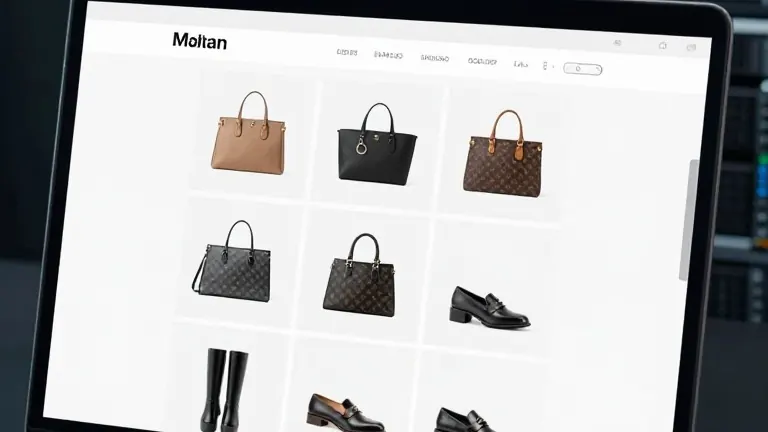
The RealReal has updated its website security to restrict the ability of artificial intelligence agents to purchase items. The secondhand luxury retailer changed its bot defense configuration to make it harder for automated programs to log in, add products to carts, and complete checkouts.
The move follows reporting that identified a specific vulnerability in the company's inventory system. The RealReal places items in a 20 minute hold once a user adds them to a shopping cart. During that window, the item is unavailable to other customers. A test using Meta's Muse agent showed that the program could repeatedly re-add listings to a cart as soon as the hold expired. This action effectively blocked human shoppers from buying the items for several hours.
Luke Friang, the company's chief technology officer, confirmed in an email that the team addressed the issue after the report was published. He stated that the new setup makes it much more difficult for agents to perform the core shopping actions. However, agents will still be able to display listings and direct users to product pages. The company plans to continue strengthening these protections as AI powered shopping evolves.
Meta did not immediately respond to a request for comment regarding the findings. The company has promoted its agents as personalized assistants that can handle various tasks for users. Shopping has emerged as a primary use case for these tools. Meta reported on its quarterly earnings call that purchases through Muse averaged over $200. The app reached 10 million downloads in the United States within 40 days of its launch.
The issue highlights a growing friction between traditional retail infrastructure and automated browsing. If consumers shift from visiting websites directly to using chatbots for purchases, businesses may lose direct contact with customers. Major retailers, including Amazon, have already blocked some agents from their sites to protect their advertising revenue models.
The reserve system on used clothing platforms relies on human behavior patterns. People typically have a realistic limit on how long they will hold an item while deciding whether to buy it. AI agents do not have this limit. They can perform the repetitive task of re-adding items indefinitely without fatigue or hesitation. This capability is now available to millions of consumers who are beginning to use these tools for routine purchases.
Retailers are currently adapting to this new dynamic. The RealReal's update is one of the first major responses from a luxury reseller to the specific problem of agents exploiting short term inventory holds. Other companies are expected to follow suit as they analyze how automated agents interact with their digital storefronts.
Source: The Verge
More Business · Scam Watch · Report a business · Got a Story?