Polar Vortex Disruption May Bring Unusually Early Cold to North America
Meteorologists warn that a weakened vortex in November could shift Arctic air south, though a strong El Niño may moderate the impact.
By Owen Turner ·
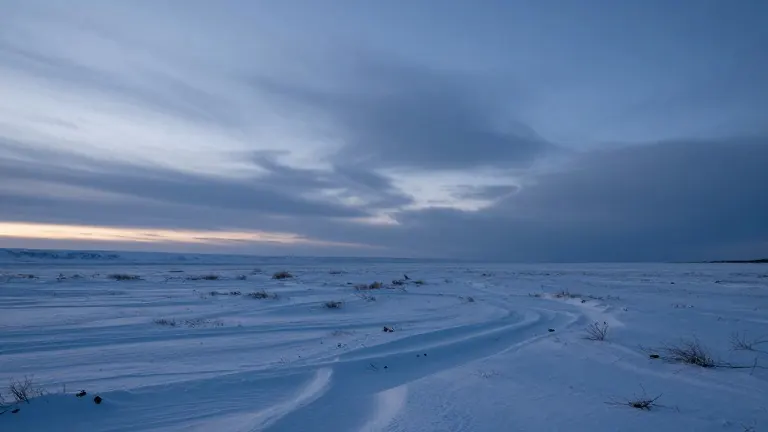
Signs indicate the polar vortex could weaken or disrupt in November, a development that would mark one of the earliest such episodes on record. This potential shift could increase the likelihood of cold Arctic air moving south, though it does not guarantee a major cold outbreak.
The polar vortex functions as a large circulation of extremely cold air high above the Arctic. Typically, strong winds keep this cold air contained around the pole. When the vortex weakens, stretches, or becomes disrupted, the atmospheric traffic pattern changes. This alteration can influence the jet stream below, causing its path to become wavier and allowing Arctic air to push farther south.
The process from a weakened vortex to surface weather changes can take weeks. The current disruption does not specify when the cold air will arrive, how cold it will get, or how long it will stay. Furthermore, the Arctic air may not target the United States directly. Current signs suggest Europe and Asia could be impacted the most by this possible event.
A second major factor influencing this winter is a very strong El Niño. This pattern affects the jet stream and storm track, creating a tendency toward milder conditions across the northern United States. The El Niño does not cancel out the polar vortex. These patterns are not necessarily in conflict. Depending on the prevailing weather pattern, they can reinforce each other or compete. The interaction between these two systems will help determine weather conditions from the second half of November through the winter.
The potential November disruption puts a colder than average pattern on the table for late November and December. However, the specific location and strength of the cold air remain uncertain. Forecasters advise tracking detailed forecasts rather than relying solely on headlines about vortex disruptions.
This type of atmospheric shift is a normal feature of the atmosphere, but the timing is unusual. The early disruption warrants monitoring as it may set the stage for winter weather patterns.
Source: ABC7 New York