Genetic Engineering for K-9s: New Firm Aims to Revolutionize Military Working Dogs
A $200 million startup backed by tech and intelligence giants is using gene editing to create healthier, more capable dogs for defense and emergency response.
By Ishani Kapalli ·
Warhound has officially emerged from stealth mode, revealing a bold plan to genetically engineer specialized dogs for the U.S. military and law enforcement. The venture, which emerged on Thursday, is supported by a substantial $200 million investment from backers including Sequoia, 8VC, Corner Ventures, and In-Q-Tel, a venture firm with ties to the CIA and other U.S. intelligence agencies. This round values the company at $1.2 billion, signaling significant confidence in a concept that blends biotechnology with defense hardware.
The core problem driving this innovation is a shrinking domestic supply of capable working dogs. According to Warhound’s launch materials, over 80% of the U.S. military’s working dogs are currently imported from Europe, and fewer than half of those imports are fit for service. This reliance on foreign sources highlights a critical gap in the nation’s emergency response and defense infrastructure, a gap Warhound intends to fill by creating a new type of dog tailored for demanding missions.
The project is a collaboration between Ben Lamm of Colossal Biosciences and Palmer Luckey, the founder of Anduril. Lamm met Luckey roughly a year ago at a conference where Luckey expressed a desire for more innovation in military working dog programs. Subsequent research by Lamm revealed that many traditional working dogs fail to complete training due to inherited health issues, such as poor eyesight, cancer predispositions, hip dysplasia, or muscle atrophy. This motivated the team to focus on enhancing health, longevity, and specific physical traits like speed, agility, and olfactory sensitivity.
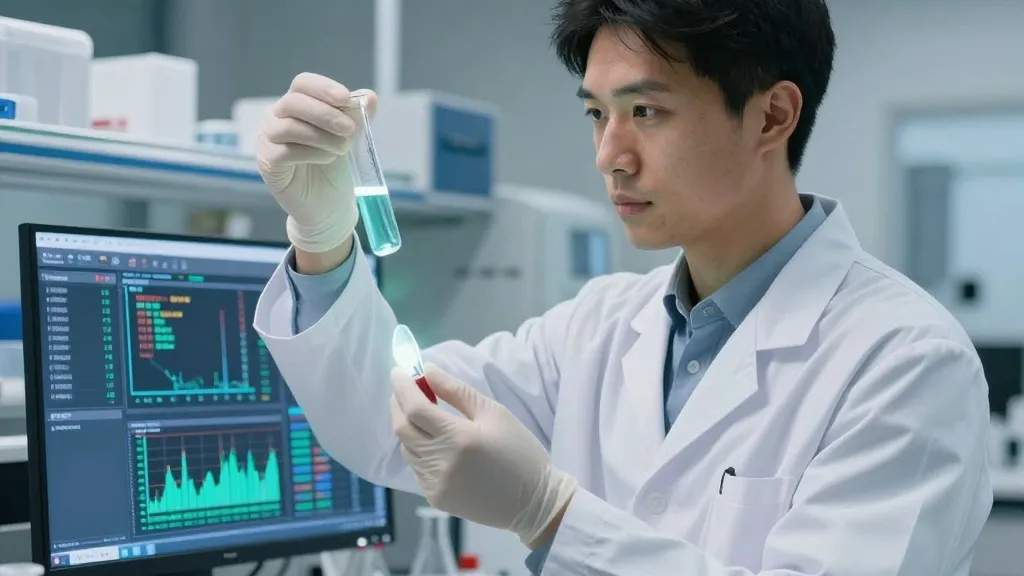
To achieve these enhancements, the team has collected cell lines from top-performing breeds, specifically the Belgian Malinois and the German Shepherd, and stored them in a biobank. The plan involves editing these genes to add desirable performance traits and remove those associated with health problems. Colossal Biosciences, known for its de-extinction efforts to revive species like the mammoth, will license its technology to support this process. Viagen, another company owned by Colossal, will partner with Warhound to handle the cloning, utilizing technology that Lamm notes has a high success rate in cloning endangered species.
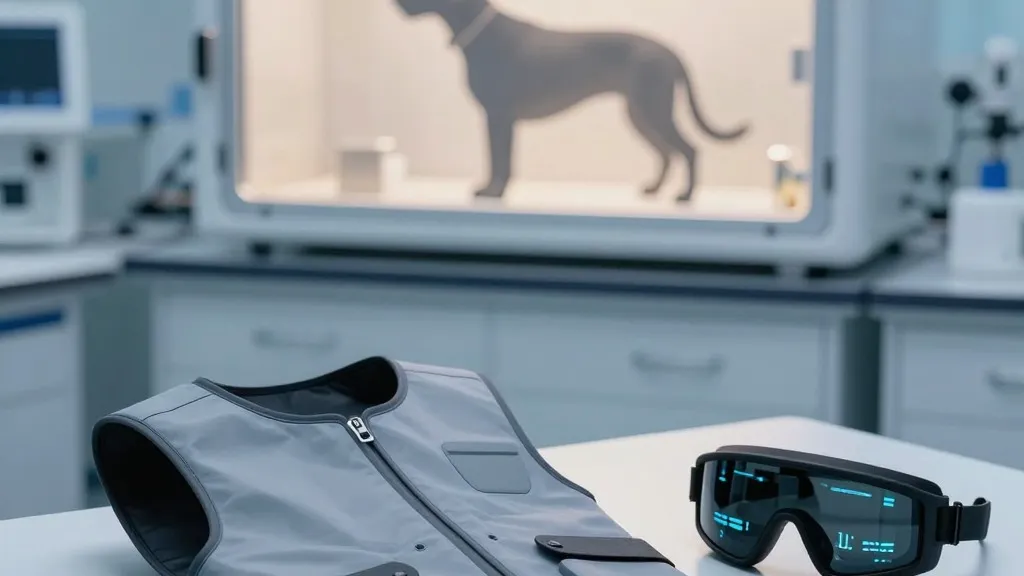
While Colossal handles the biological engineering, Anduril is responsible for equipping the dogs with advanced software and hardware. This includes protection vests and goggles designed to improve situational awareness for both the dog and its handler. Lamm described the concept as adding enhancements "on top of the dog, not in the dog," such as bulletproof vests embedded with data sensors that transmit real-time information to handlers. This integration aims to make the dogs safer and more effective in the line of duty, while also better protecting the humans working alongside them.
The timeline for bringing these engineered dogs to service is ambitious. The first batch is scheduled to be cloned and incubated shortly, with births expected in early 2027. The goal is for these animals to begin active service within two years. Although pricing has not yet been determined, Warhound expects to sell to first responders, the Department of Defense, various military service groups, and police forces. Lamm confirmed that the company has briefed numerous government groups on the business model and its implications.
Regarding the welfare of the animals, Warhound is operating under the guidance of the American Humane Society to certify its training program. The organization aims to ensure that these genetically enhanced dogs are treated humanely throughout their service lives. Furthermore, there is a plan for retired military working dogs to enter the Society’s Military Working Dog Reunification Program or other support services, providing a path to a comfortable retirement for the animals.
The American Humane Society responded to the announcement by stating that it applauds Warhound and Colossal for inviting the nation’s first national humane organization to participate in the process. The Society expressed its commitment to working with the new venture to ensure that the animals in their care are treated with the scientific rigor and ethical standards that define the organization's mission.
Source: TechCrunch