25 Years Ago: Apple's $399 iPod Redefined Pocket Music
The 2001 launch of the 5GB digital player, which fit 1,000 songs in a card-sized package, established a new standard for portable audio.
By Jacob Leary ·
For New Englanders and consumers across the country, the 25th anniversary of a specific October day in 2001 marks the moment personal audio was fundamentally altered. Before this launch, listeners were limited by the physical constraints of CDs or the small storage capacities of early flash drives. The device introduced 25 years ago changed the daily routine of millions by allowing them to carry their entire music collection in a pocket, a capability that had previously been the exclusive domain of bulky home systems.
The product, priced at $399, offered 5 gigabytes of storage space. In the context of 2001, this capacity was substantial enough to hold approximately 1,000 standard-length pop songs encoded in the MP3 format. Apple CEO Steve Jobs positioned the device not merely as a hardware gadget, but as the missing link in a broader digital lifestyle hub. He envisioned Mac computers acting as central units that would connect various digital devices, including cameras and DVD players, with this new portable player serving as the primary audio component for that ecosystem.
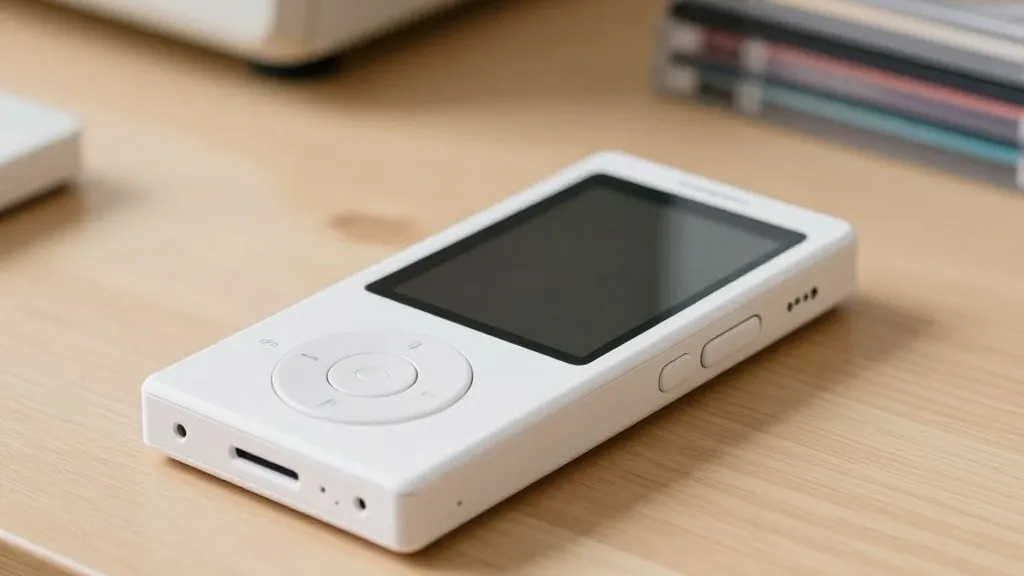
The physical design of the device was a significant departure from competitors. Leveraging a new 1.8-inch hard drive from Toshiba, Apple created a unit measuring 2.4 by 4 by 0.78 inches and weighing just 6.5 ounces. Jobs compared the form factor to a standard deck of playing cards, noting it was lighter than most mobile phones of that era. The aesthetic was minimalist, featuring a durable back and sides, with a specific focus on one-handed operation through a scroll wheel that provided tactile feedback for navigating playlists by artist or song.
Performance and connectivity were central to the marketing narrative. The device utilized a FireWire 400 connection, which Apple claimed was vastly superior to the USB standards available at the time. Jobs demonstrated that transferring a full CD of music to the player took only five to 10 seconds, whereas USB alternatives required roughly five minutes for the same data. For a full library of 1,000 tracks, the transfer time was estimated at 10 minutes compared to five hours for competitors. The internal lithium-polymer battery provided 10 hours of continuous playback and could recharge to 80% in one hour.
The software experience was integral to the hardware's success. The launch coincided with the release of iTunes 2, which introduced features like MP3 CD burning and, most critically, Auto-Sync. This feature ensured that any changes made to a user's music library on their computer would automatically update the portable device upon connection. The player also functioned as a FireWire hard disk drive when connected, offering dual utility. The on-stage demonstration featured Sarah MacLachlan’s 'Building a Mystery,' showcasing the CD-quality sound and support for formats like MP3, WAV, and AIFF.
At the time of its debut, the market included offerings from Sony, Creative, and Sonic Blue, but Jobs argued that none had found the right 'recipe' for digital music. Apple targeted the hard disk-based player segment as the optimal entry point, recognizing that flash and CD-based solutions had limitations. The device’s success helped solidify Apple’s recovery from the dot-com bubble burst, building on the strong performance of its iBook and iMac lines. The player remained a staple of Apple’s product lineup for over a decade, coexisting with the iPhone introduced in 2007.
The era of the dedicated portable music player eventually gave way to smartphones, but the 2001 launch remains a pivotal moment in consumer electronics. The product line continued with various iterations until the final 7th-generation iPod Touch was released in May 2019. Although the line was left without updates for a time, it was officially discontinued in May 2022, closing a chapter that began with a $399 device that promised to put a thousand songs in your pocket.
Source: Tom's Hardware